

Equinor ASA
XMUN:DNQ



Decide at what price you'd be comfortable buying and we'll help you stay ready.
DNQ's latest stock split occurred on May 10, 2006
The company executed a 5-for-1 stock split, meaning that for every share held, investors received 5 new shares.
The adjusted shares began trading on May 10, 2006. This was the only stock split in DNQ's history.
Global
Stock Splits Monitor
| Date | Company | Split | Pre-Split Price | Post-Split Price | |
|---|---|---|---|---|---|
|
Nov 27, 2026
|

|
Varvee Global Ltd
NSE:VGL
|
5-for-2
x2.5
|
52.8 21.12 INR | 21.07 21.07 INR |
|
Nov 27, 2026
|
B-52 Capital PCL
SET:B52
|
80-for-77
x1.038961038961
|
0.16 0.154 THB | 0.16 0.16 THB | |
|
Nov 27, 2026
|
VPBank Securities JSC
VN:VPX
|
145-for-100
x1.45
|
21150.0002 14586.207 VND | 14700 14700 VND | |
|
Nov 27, 2026
|
Daiwa Office Investment Corp
TSE:8976
|
4-for-1
x4
|
296300 66905 JPY | 70800 70800 JPY | |
|
Nov 27, 2026
|

|
Takara & Company Ltd
TSE:7921
|
3-for-1
x3
|
4200 1310 JPY | 1351 1351 JPY |
 VGL
 7921
Equinor ASA
Glance View
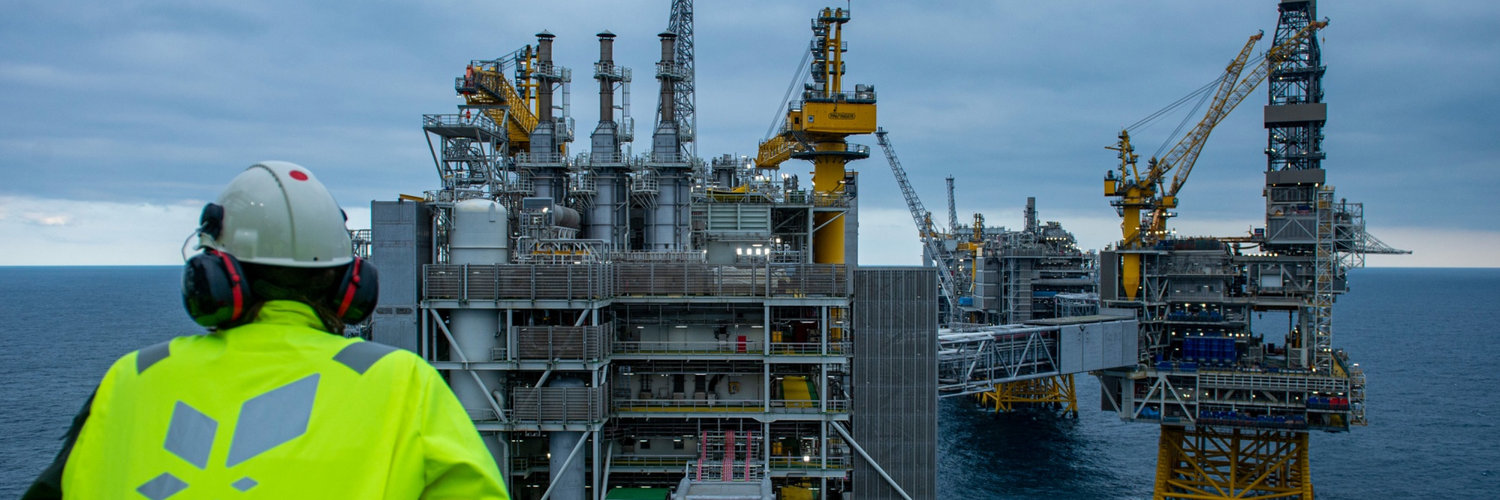
Equinor ASA is a Norwegian energy company best known for finding, developing, and producing oil and natural gas, mainly from offshore fields. It also trades crude oil, natural gas, and refined products, and it is building a larger business in offshore wind, carbon storage, and other lower-carbon energy projects. In simple terms, Equinor sits between energy reserves in the ground and the companies and utilities that need fuel and power. Its main customers are buyers of oil and gas, including refiners, industrial users, utilities, and energy traders. Equinor makes money by selling the hydrocarbons it produces, as well as by trading and marketing energy products. In some cases it also earns fees or long-term contract income from power and energy infrastructure tied to its newer energy activities. What makes Equinor different is its role as a major offshore energy producer with deep technical know-how in harsh environments, especially the North Sea and other deepwater areas. It is not a pure oil company and not a pure utility either; it combines upstream production with trading and a growing set of new-energy projects. That mix gives it a place across the energy value chain, from extracting fuel to helping move it into markets and, over time, into lower-carbon power systems.
Create a free account · No card needed
