

BE Semiconductor Industries NV
F:BSI



Decide at what price you'd be comfortable buying and we'll help you stay ready.

|
BE Semiconductor Industries NV
F:BSI
|
NL |
|
F
|
Fabasoft AG
XBER:FAA
|
AT |
|
T
|
Tower Bersama Infrastructure Tbk PT
SWB:6TB
|
ID |
|
U
|
Under Armour Inc
F:U9RA
|
US |

|
Fincanna Capital Corp
F:4AL0
|
CA |

|
Faurecia SE
F:FAU
|
FR |

|
Roche Holding AG
MIL:1RO
|
CH |
|
V
|
Volvo AB
DUS:VOL1
|
SE |

|
Palantir Technologies Inc
NASDAQ:PLTR
|
US |

|
Azerion Group NV
F:9Q9
|
NL |
BE Semiconductor Industries NV
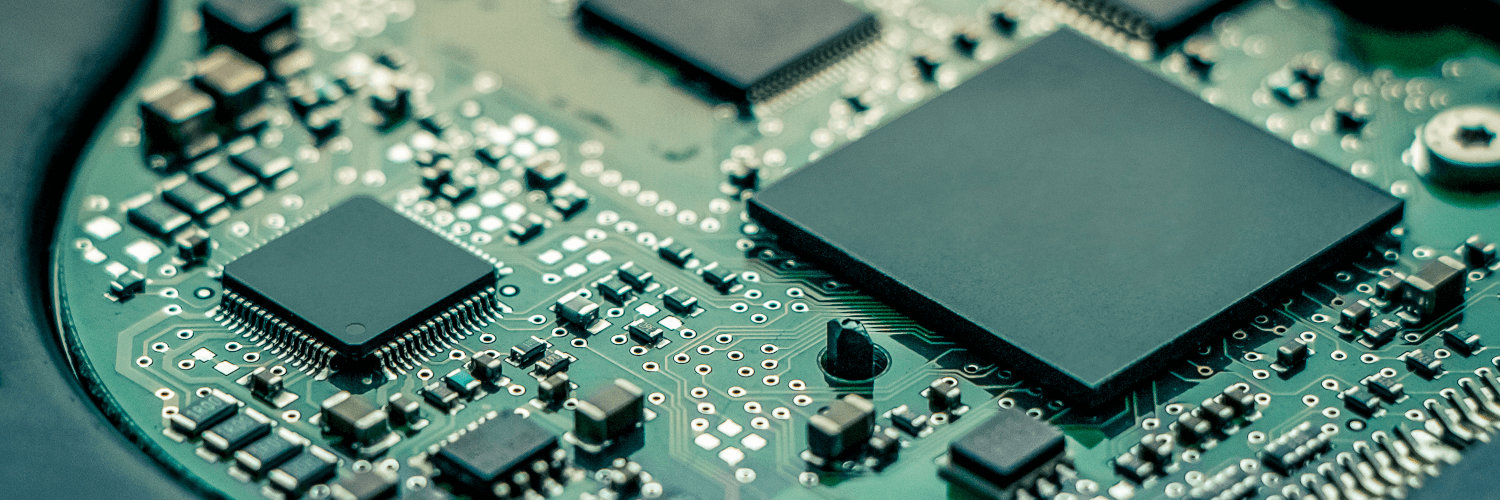
BE Semiconductor Industries, or BESI, makes equipment used to assemble and package semiconductor chips after they are manufactured. Its machines handle steps such as attaching dies, bonding chips to substrates, and supporting advanced packaging methods that help chips become smaller, faster, and more efficient. In simple terms, BESI sells the tools that turn bare chips into finished components ready for use in phones, cars, servers, and other electronics. Its main customers are chip makers, outsourced semiconductor assembly and test companies, and other electronics manufacturers that need advanced packaging equipment. BESI earns money by selling these machines and by providing related service, support, and spare parts. That makes its business tied to capital spending in the semiconductor industry rather than to consumer electronics sales directly. What sets BESI apart is its focus on the back end of chip production, especially high-precision bonding and packaging tools. This part of the supply chain matters more as chips become more complex and need to be stacked or combined in new ways. BESI sits in a specialized niche where customers often need very exact equipment and long-term technical support.

BE Semiconductor Industries, or BESI, makes equipment used to assemble and package semiconductor chips after they are manufactured. Its machines handle steps such as attaching dies, bonding chips to substrates, and supporting advanced packaging methods that help chips become smaller, faster, and more efficient. In simple terms, BESI sells the tools that turn bare chips into finished components ready for use in phones, cars, servers, and other electronics.
Its main customers are chip makers, outsourced semiconductor assembly and test companies, and other electronics manufacturers that need advanced packaging equipment. BESI earns money by selling these machines and by providing related service, support, and spare parts. That makes its business tied to capital spending in the semiconductor industry rather than to consumer electronics sales directly.
What sets BESI apart is its focus on the back end of chip production, especially high-precision bonding and packaging tools. This part of the supply chain matters more as chips become more complex and need to be stacked or combined in new ways. BESI sits in a specialized niche where customers often need very exact equipment and long-term technical support.
Strong Q1: Besi reported revenue of EUR 184.9 million, up 28.3% year over year, with orders of EUR 269.7 million more than doubling from last year as hybrid bonding and advanced packaging demand improved.
Hybrid bonding surge: Orders for hybrid bonding systems more than doubled versus Q4 and exceeded the prior quarterly peak, helped by a customer pulling some demand forward and placing a larger-than-expected capacity build.
Margins improved: Gross margin reached 63.5% and net margin rose to 27.9%, supported by higher revenue, disciplined spending and operating leverage.
Q2 outlook: Management guided Q2 revenue to grow 30% to 40% versus Q1, with gross margin expected at 64% to 66% and operating expenses flat to up 10%.
AI-driven growth: Management said market conditions improved thanks mainly to AI demand, and it expects Besi to outgrow the broader assembly market because of its position in advanced packaging.
Customer adoption widening: The company said hybrid bonding adoption is broadening across logic and memory, with more customers evaluating the technology and more programs moving toward 2026 qualification and 2027 volume production.
