

FirstEnergy Corp
F:FE7



Decide at what price you'd be comfortable buying and we'll help you stay ready.
|
F
|
FirstEnergy Corp
F:FE7
|
US |
|
S
|
Soitec SA
SWB:SOH1
|
FR |

|
Net Insight AB
STO:NETI B
|
SE |
|
S
|
SITC International Holdings Co Ltd
XBER:7S8
|
HK |
|
A
|
Antimony Resources Corp
CNSX:ATMY
|
CA |
|
H
|
Healius Ltd
ASX:HLSNB
|
AU |
FirstEnergy Corp
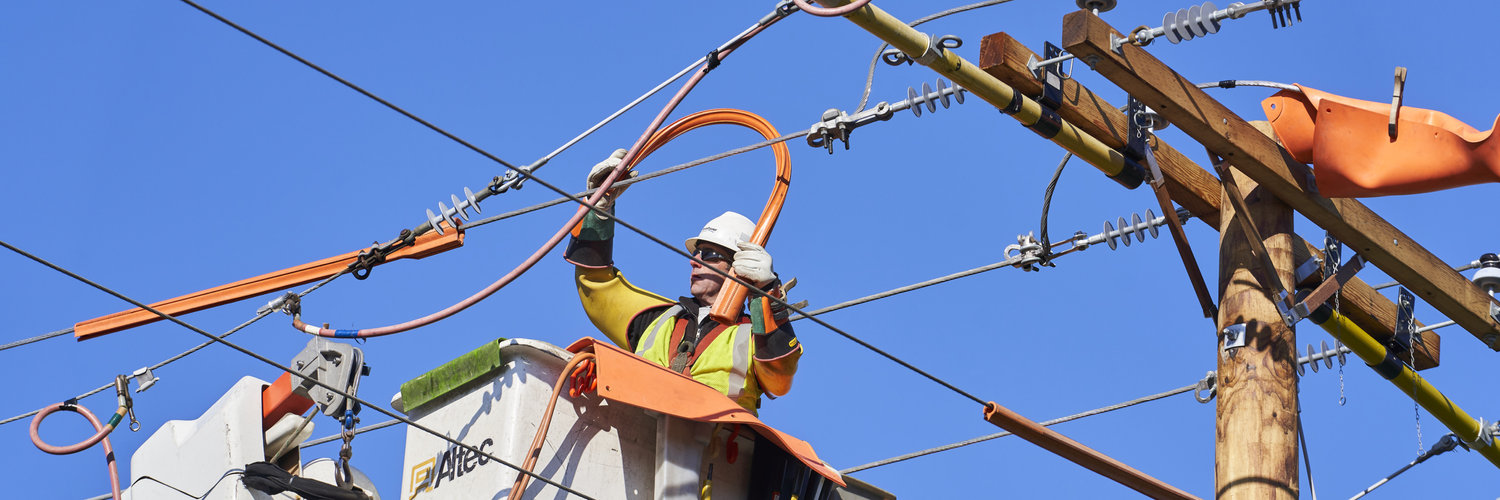
FirstEnergy Corp. is a regulated electric utility company. It does not make consumer products; it owns the power lines, substations, and related equipment that move electricity from the grid to homes and businesses in parts of the Midwest and Mid-Atlantic. Its main job is to keep electricity flowing safely and reliably to retail and industrial customers. The company makes most of its money by delivering electricity under rates set by state regulators. Customers pay monthly bills for distribution and, in some areas, transmission service rather than FirstEnergy selling power like a merchant generator. That makes the business more like a utility toll road: it earns revenue for maintaining and operating essential electric infrastructure. What sets FirstEnergy apart is its role in the electric value chain. It sits between power generators and end users, focusing on the poles, wires, and grid operations that every customer needs. Because these services are essential and heavily regulated, the business tends to be driven by long-term utility rules, infrastructure spending, and the need to keep the grid dependable.

FirstEnergy Corp. is a regulated electric utility company. It does not make consumer products; it owns the power lines, substations, and related equipment that move electricity from the grid to homes and businesses in parts of the Midwest and Mid-Atlantic. Its main job is to keep electricity flowing safely and reliably to retail and industrial customers.
The company makes most of its money by delivering electricity under rates set by state regulators. Customers pay monthly bills for distribution and, in some areas, transmission service rather than FirstEnergy selling power like a merchant generator. That makes the business more like a utility toll road: it earns revenue for maintaining and operating essential electric infrastructure.
What sets FirstEnergy apart is its role in the electric value chain. It sits between power generators and end users, focusing on the poles, wires, and grid operations that every customer needs. Because these services are essential and heavily regulated, the business tends to be driven by long-term utility rules, infrastructure spending, and the need to keep the grid dependable.
Strong quarter: FirstEnergy reported first quarter core earnings of $0.72 a share, up 7.5% from $0.67 a year ago, and said it is on track to deliver full-year results within its 2026 guidance of $2.62 to $2.82 per share.
Investment-led growth: Management said earnings and rate base growth continue to be driven by regulated investment, with $1.4 billion of customer-focused investment in the quarter and a reaffirmed full-year capital plan of $6 billion.
Cost discipline: Base O&M was down close to 5% in the quarter, and management said those savings are largely sustainable, coming from a multi-year move toward more data-driven, proactive operations.
Data center upside: The company said West Virginia data center demand keeps building, with about 1.8 gigawatts of highly credible projects and more than 6 gigawatts of constructive dialogue with prospective customers.
Regulatory balance: Management repeatedly emphasized affordability, saying average rates are 20% below in-state peers and that it is working with regulators and governors to balance customer bills with reliability investments.
Guidance unchanged: FirstEnergy reaffirmed its 2026 earnings guidance and its long-term core earnings CAGR target of 6% to 8% through 2030, with growth expected near the top end of that range.
Financing and projects: The company expects West Virginia generation approval in the second half of the year, plans to file rate cases in West Virginia and Maryland, and continues to see opportunities in PJM transmission projects.
