
Nucor Corp
F:NUO



Decide at what price you'd be comfortable buying and we'll help you stay ready.
|
N
|
Nucor Corp
F:NUO
|
US |
|
A
|
Aalberts NV
F:AACA
|
NL |

|
Architects Studio Japan Inc
TSE:6085
|
JP |

|
CIR SpA - Compagnie Industriali Riunite
F:BN7
|
IT |
|
R
|
Reliq Health Technologies Inc
OTC:RQHTF
|
CA |

|
Autoneum Holding AG
OTC:ATNNF
|
CH |

|
Arm Holdings PLC
NASDAQ:ARM
|
UK |

|
Anterix Inc
F:2X6
|
US |
Nucor Corp
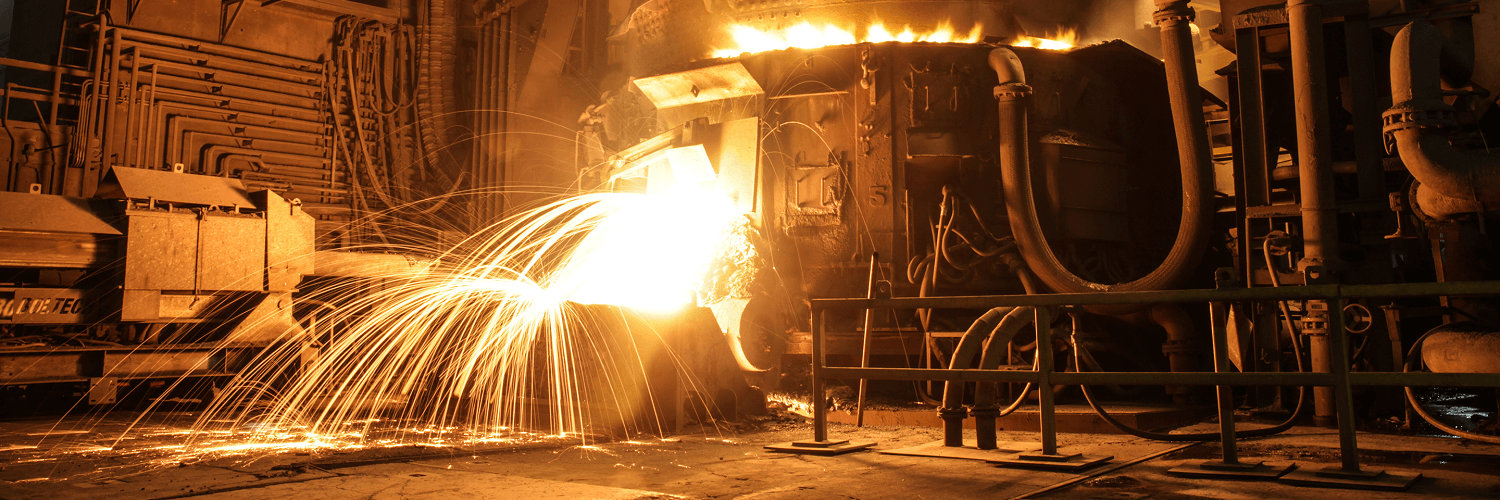
Nucor is one of the largest steel makers in North America. It turns scrap metal and other raw materials into steel products such as sheet steel, plate, bars, beams, and rebar. It also makes many of the inputs and equipment used in steel production, including direct reduced iron, metal building systems, and structural components. Its main customers are manufacturers, construction firms, service centers, and fabricators that need steel for buildings, vehicles, appliances, infrastructure, and industrial equipment. Nucor makes money by selling steel and related products, with prices tied to market demand, input costs, and the mix of products it ships. It also earns from downstream businesses that turn steel into finished or semi-finished goods for specific end markets. What sets Nucor apart is its electric-arc-furnace model, which relies heavily on recycled scrap and gives it a flexible, lower-cost production base compared with traditional integrated steel mills. That makes it more of a fast-moving, scrap-based steel supplier than a classic iron-and-coal steel giant. In practice, Nucor sits at the center of the North American steel supply chain, converting recycled metal into the structural and flat-rolled products the economy uses every day.
Nucor is one of the largest steel makers in North America. It turns scrap metal and other raw materials into steel products such as sheet steel, plate, bars, beams, and rebar. It also makes many of the inputs and equipment used in steel production, including direct reduced iron, metal building systems, and structural components.
Its main customers are manufacturers, construction firms, service centers, and fabricators that need steel for buildings, vehicles, appliances, infrastructure, and industrial equipment. Nucor makes money by selling steel and related products, with prices tied to market demand, input costs, and the mix of products it ships. It also earns from downstream businesses that turn steel into finished or semi-finished goods for specific end markets.
What sets Nucor apart is its electric-arc-furnace model, which relies heavily on recycled scrap and gives it a flexible, lower-cost production base compared with traditional integrated steel mills. That makes it more of a fast-moving, scrap-based steel supplier than a classic iron-and-coal steel giant. In practice, Nucor sits at the center of the North American steel supply chain, converting recycled metal into the structural and flat-rolled products the economy uses every day.
Strong quarter: Nucor reported net earnings of $743 million, or $3.23 per share, and EBITDA of about $1.5 billion, both helped by higher volumes and a better product mix.
Record shipments: Steel mills shipped 7 million tons, the highest quarterly volume in Nucor's history, and backlog rose to 4.7 million tons, up 20% from year-end.
Outlook improving: Management expects higher second-quarter earnings across all three segments and said full-year 2026 earnings and cash flow should trend significantly above 2025.
West Virginia ramp: The new West Virginia sheet mill is about 85% constructed, commissioning will run through 2026, and commercial shipments should begin ramping in early 2027.
Trade tailwinds: Management said tariffs and trade remedies have cut import share of the U.S. finished steel market to about 15% from over 22% a year ago, supporting domestic pricing and demand.
Capital returns: Nucor returned $254 million to shareholders in the quarter and reiterated its long-term goal of returning at least 40% of annual net earnings, while keeping buybacks as the usual method.
