
Repsol SA
F:REPA



Decide at what price you'd be comfortable buying and we'll help you stay ready.
|
A
|
Aquirian Ltd
ASX:AQN
|
AU |

|
Concentradora Fibra Hotelera Mexicana SA de CV
BMV:FIHO12
|
MX |

|
Robinsons Retail Holdings Inc
OTC:RRETY
|
PH |

|
International Paper Co
NYSE:IP
|
US |
|
M
|
Macmic Science & Technology Co Ltd
SSE:688711
|
CN |
REPA's latest stock split occurred on Dec 17, 2020
The company executed a 30-for-29 stock split, meaning that for every 29 shares held, investors received 30 new shares.
Before the split, REPA traded at 8.3 per share. Afterward, the share price was about 7.1892.
The adjusted shares began trading on Dec 17, 2020. This was REPA's 4th stock split, following the previous one in Jun 17, 2019.
Global
Stock Splits Monitor
| Date | Company | Split | Pre-Split Price | Post-Split Price | |
|---|---|---|---|---|---|
|
Apr 17, 2026
|
M
|
Miwon Chemicals Co Ltd
KRX:134380
|
10-for-1
x10
|
147900 14790 KRW | 13550 13550 KRW |
|
Apr 17, 2026
|
S
|
Shenzhen Best of Best Holdings Co Ltd
SZSE:001298
|
1-for-1
x1
|
30.47 20.9438 CNY | 21.98 21.98 CNY |
|
Apr 17, 2026
|
P
|
Pt Harta Djaya Karya Tbk
IDX:MEJA
|
7-for-6
x1.1666666666667
|
118.0001 101.1429 IDR | 111 111 IDR |
|
Apr 17, 2026
|

|
Yesco Holdings Co Ltd
KRX:015360
|
5-for-1
x5
|
80000 16000 KRW | 16110 16110 KRW |
|
Apr 16, 2026
|
T
|
TWZ Corporation PCL
SET:TWZ
|
8-for-5
x1.6
|
0.02 0.0125 THB | 0.02 0.02 THB |
 015360
Repsol SA
Glance View
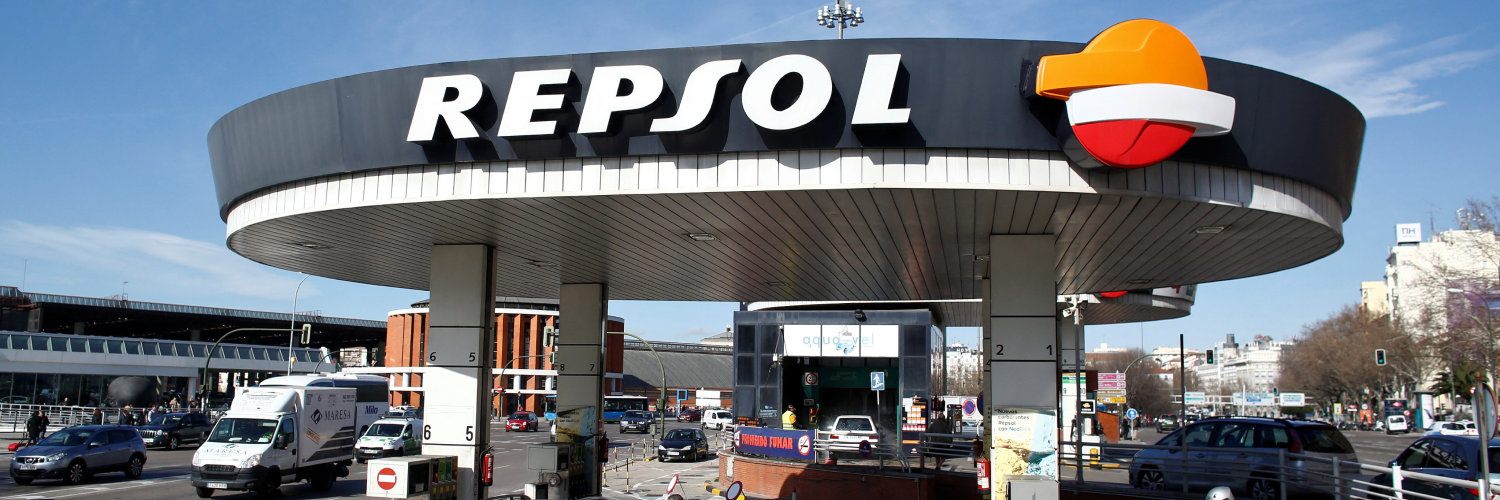
Once upon a time in the bustling corridors of the energy sector, Repsol SA was born—a Spanish multinational that navigated the waters of oil and gas with the finesse of an experienced mariner. Emerging from a country not traditionally known for its energy prowess, Repsol embarked on a journey to carve out its niche on the global stage. Incorporated in 1987, the company swiftly expanded its reach, both in exploratory and production activities. At its core, Repsol was a vertically integrated company, which meant it had its hands in every aspect of the oil and gas value chain, from exploration and production of crude oil and natural gas to refining them into the fuels and chemicals that power economies worldwide. This vertical integration allowed it to capture value at different stages of the energy supply chain and safeguard against market volatility. Thus, Repsol thrived not only on the raw value of hydrocarbons but also on its ability to refine, distribute, and commercialize these products. Beyond the basic mechanics of its business, Repsol has passionately pursued innovation and sustainability, navigating the delicate balance between growth and environmental stewardship. With operations spanning continents, Repsol invested in renewable energy sources, moving towards creating a diverse energy portfolio that includes solar, wind, and biofuels. The company's focus on technological advancement—such as developing carbon capture and storage techniques—sought not just profitability, but leadership in the transition to a lower-carbon economy. Its downstream segment, which involves refining and marketing, consistently contributed a significant share of its earnings, fueled by a diverse range of products ranging from fuels to petrochemicals. By innovatively straddling the line between traditional energy production and future-forward sustainability, Repsol carved a path forward in an industry at the crossroads of past convention and future imperatives.
