
Ford Otomotiv Sanayi AS
IST:FROTO.E



Decide at what price you'd be comfortable buying and we'll help you stay ready.
|
Ford Otomotiv Sanayi AS
IST:FROTO.E
|
TR |

|
Bayer AG
XETRA:BAYN
|
DE |

|
Loyal Lithium Ltd
ASX:LLI
|
AU |

|
Aurelia Metals Ltd
ASX:AMI
|
AU |

|
Sisram Medical Ltd
HKEX:1696
|
IL |

|
Your Family Entertainment AG
XETRA:RTV
|
DE |

|
BP PLC
LSE:BP
|
UK |

|
Jiangsu Jujie Microfiber Technology Group Co Ltd
SZSE:300819
|
CN |
Ford Otomotiv Sanayi AS
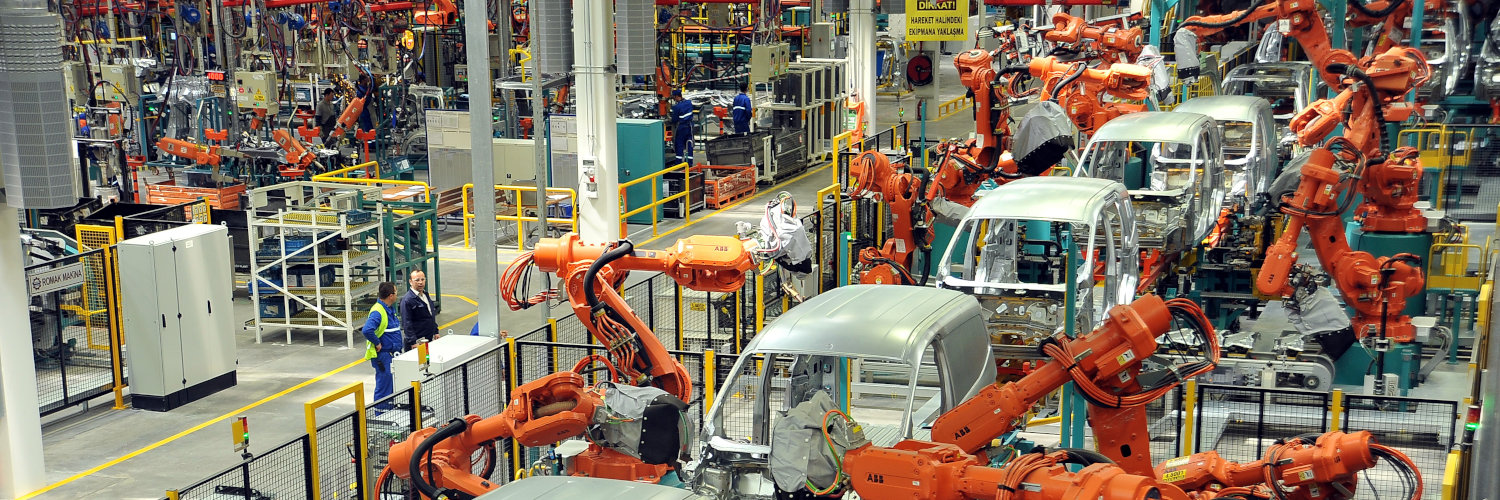
Ford Otomotiv Sanayi A.S., often known as Ford Otosan, is a dynamic example of strategic industrial collaboration, nestled in the heart of Turkey's thriving automotive industry. Established as a joint venture between Ford Motor Company and Turkey's Koç Holding, this company bridges east and west, blending global automotive expertise with local manufacturing strength. From its state-of-the-art facilities in Kocaeli and Eskişehir, Ford Otosan has become a pivotal production hub, exporting a significant portion of its output to Europe and beyond. The company specializes in the design and manufacture of commercial vehicles, notably the iconic Transit van, and has carved out a distinct niche as a center of excellence for Ford’s light commercial vehicle operations.
Profitability rides not just on production output but on the meticulous integration of research and development, logistics, and an ever-adaptive supply chain management system. Ford Otosan smoothly transitions from concept to assembly line through its robust R&D center – one of the largest in Ford's global sphere – emphasizing innovation in vehicle efficiency and safety. By assembling vehicles locally, the company circumvents heavy import duties, enhances cost efficiencies, and aligns closely with regional market needs. Simultaneously, its strategic export activities leverage Turkey's favorable geographic position, shipping polished automotive engineering to numerous international markets, thus sustaining its financial throughput and reinforcing its role in the global automotive supply chain.
Ford Otomotiv Sanayi A.S., often known as Ford Otosan, is a dynamic example of strategic industrial collaboration, nestled in the heart of Turkey's thriving automotive industry. Established as a joint venture between Ford Motor Company and Turkey's Koç Holding, this company bridges east and west, blending global automotive expertise with local manufacturing strength. From its state-of-the-art facilities in Kocaeli and Eskişehir, Ford Otosan has become a pivotal production hub, exporting a significant portion of its output to Europe and beyond. The company specializes in the design and manufacture of commercial vehicles, notably the iconic Transit van, and has carved out a distinct niche as a center of excellence for Ford’s light commercial vehicle operations.
Profitability rides not just on production output but on the meticulous integration of research and development, logistics, and an ever-adaptive supply chain management system. Ford Otosan smoothly transitions from concept to assembly line through its robust R&D center – one of the largest in Ford's global sphere – emphasizing innovation in vehicle efficiency and safety. By assembling vehicles locally, the company circumvents heavy import duties, enhances cost efficiencies, and aligns closely with regional market needs. Simultaneously, its strategic export activities leverage Turkey's favorable geographic position, shipping polished automotive engineering to numerous international markets, thus sustaining its financial throughput and reinforcing its role in the global automotive supply chain.
Record Results: Ford Otosan delivered its highest-ever production, exports, and wholesale figures in 2025, exceeding many internal expectations.
Strong Profitability: Adjusted EBITDA margin hit 8%, at the upper end of guidance, and free cash flow reached EUR 1.6 billion.
Market Leadership: Maintained number one position in Turkey’s commercial vehicle market with a 28.6% share and ranked third overall with an 8.3% market share.
Export Strength: Export sales hit a record 603,000 units despite industry contraction in Europe, and export volumes accounted for 83% of total.
Dividend Milestone: Largest dividend payment and yield (7.8%) in company’s history.
Stable Outlook: 2026 guidance calls for flattish or slightly down industry sales, with wholesale volume projected at 670,000–730,000 units and high single-digit revenue growth.
CapEx Management: 2026 CapEx expected to be slightly lower than 2025, reflecting a near-complete product electrification investment cycle.
