

APA Group
OTC:APAJF



Decide at what price you'd be comfortable buying and we'll help you stay ready.

|
Johnson & Johnson
NYSE:JNJ
|
US |

|
Berkshire Hathaway Inc
NYSE:BRK.A
|
US |

|
Bank of America Corp
NYSE:BAC
|
US |

|
Mastercard Inc
NYSE:MA
|
US |

|
UnitedHealth Group Inc
NYSE:UNH
|
US |

|
Exxon Mobil Corp
NYSE:XOM
|
US |

|
Pfizer Inc
NYSE:PFE
|
US |

|
Nike Inc
NYSE:NKE
|
US |

|
Visa Inc
NYSE:V
|
US |

|
Alibaba Group Holding Ltd
NYSE:BABA
|
CN |

|
JPMorgan Chase & Co
NYSE:JPM
|
US |

|
Coca-Cola Co
NYSE:KO
|
US |

|
Verizon Communications Inc
NYSE:VZ
|
US |

|
Chevron Corp
NYSE:CVX
|
US |

|
Walt Disney Co
NYSE:DIS
|
US |

|
PayPal Holdings Inc
NASDAQ:PYPL
|
US |

We don't have any information about APAJF's insider trading.
APA Group
Glance View
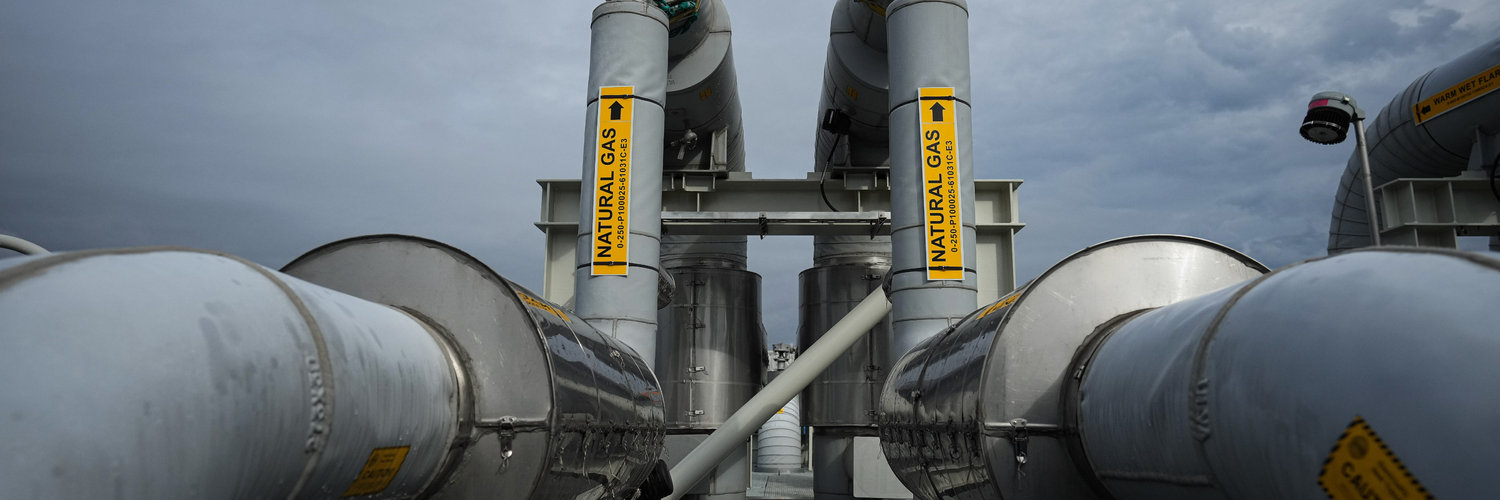
APA Group owns and runs gas transmission pipelines, gas storage, and related energy infrastructure across Australia, and it also has interests in electricity transmission and some renewable energy assets. In simple terms, it moves gas and electricity from where they are produced to where they are used, using long-life network assets that are hard to replace and usually sit in fixed locations. Its main customers are gas producers, energy retailers, large industrial users, and utilities that need reliable transport and storage of energy. APA makes money mainly by charging fee-based access and capacity charges for using its pipelines and storage facilities, which gives it a business tied more to network use and long-term contracts than to the price of gas itself. What makes APA different is that it sits in the middle of Australia’s energy supply chain as a regulated or contracted infrastructure owner, not as an energy seller or producer. That means its role is to provide the transport system that connects energy fields, power stations, industries, and cities, and its value depends on keeping those networks safe, dependable, and available.
What is Insider Trading?
Insider trading refers to the buying or selling of a company's stock by individuals with access to non-public, material information about the company.
While legal insider trading occurs when insiders follow disclosure rules, illegal insider trading involves trading based on confidential information and is prohibited by law.
Why is Insider Trading Important?
It isn't a coincidence that corporate executives seem to always buy at the right times. After all, they have access to every bit of company information you could ever want.
However, the fact that company executives have unique insights doesn't mean that individual investors are always left in the dark. Insider trading data is out there for all who want to use it.

Insiders might sell their shares for any number of reasons, but they buy them for only one: they think the price will rise.
