
Hugo Boss AG
XMUN:BOSS



Decide at what price you'd be comfortable buying and we'll help you stay ready.
|
H
|
Hugo Boss AG
XMUN:BOSS
|
DE |
|
B
|
Bath & Body Works Inc
LSE:0JSC
|
US |
|
S
|
Societe Generale SA
BMV:GLEN
|
FR |
Hugo Boss AG
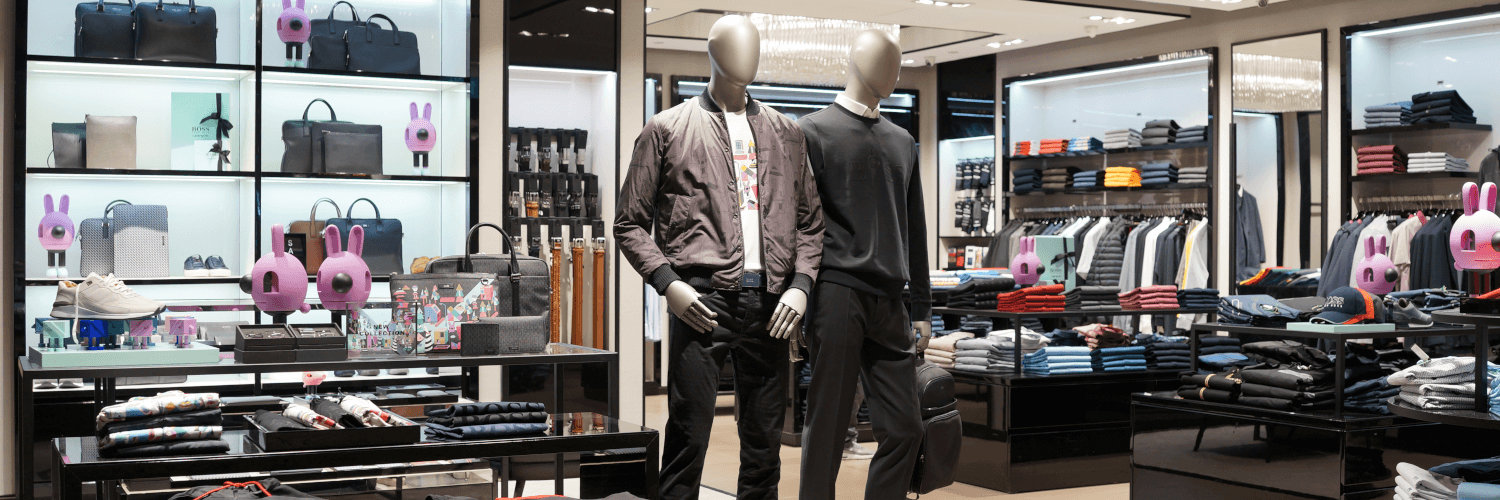
Hugo Boss AG is a German fashion company that designs, markets, and sells clothing, shoes, accessories, and fragrances under the BOSS and HUGO brands. Its core business is premium apparel, especially business wear, casual wear, and formal clothing for men, with a smaller but growing offer for women and lifestyle products. The company is mainly known for polished, modern fashion that sits between mass-market clothing and luxury brands. The company makes money by selling its products through three main channels: its own retail stores and online shops, wholesale partners such as department stores and multi-brand retailers, and licensed products like fragrances and eyewear. Its main customers are style-conscious consumers who want recognizable branded clothing, plus retailers that buy its merchandise for resale. Hugo Boss depends on both direct-to-consumer sales and a wide wholesale network, which helps it reach shoppers in many markets. What makes Hugo Boss different is that it is a brand-led business, not a manufacturer selling anonymous clothing. The brand itself is the main asset: customers pay for design, fit, image, and consistency across collections. In the fashion value chain, Hugo Boss sits between textile producers and the final shopper, turning design and brand control into a business that can sell through many channels and categories without owning the whole production process.

Hugo Boss AG is a German fashion company that designs, markets, and sells clothing, shoes, accessories, and fragrances under the BOSS and HUGO brands. Its core business is premium apparel, especially business wear, casual wear, and formal clothing for men, with a smaller but growing offer for women and lifestyle products. The company is mainly known for polished, modern fashion that sits between mass-market clothing and luxury brands.
The company makes money by selling its products through three main channels: its own retail stores and online shops, wholesale partners such as department stores and multi-brand retailers, and licensed products like fragrances and eyewear. Its main customers are style-conscious consumers who want recognizable branded clothing, plus retailers that buy its merchandise for resale. Hugo Boss depends on both direct-to-consumer sales and a wide wholesale network, which helps it reach shoppers in many markets.
What makes Hugo Boss different is that it is a brand-led business, not a manufacturer selling anonymous clothing. The brand itself is the main asset: customers pay for design, fit, image, and consistency across collections. In the fashion value chain, Hugo Boss sits between textile producers and the final shopper, turning design and brand control into a business that can sell through many channels and categories without owning the whole production process.
Sales: HUGO BOSS said Q1 group sales declined 6% currency adjusted, as the company intentionally prioritized brand and distribution quality over volume and also faced softer consumer demand.
Profitability: Gross margin improved by 110 basis points to 62.5%, while EBIT was EUR 35 million and EPS was EUR 0.24, showing that margin and cost control held up despite lower sales.
Outlook: Management reaffirmed full-year 2026 guidance for sales to fall mid to high single digits and EBIT to come in between EUR 300 million and EUR 350 million.
Middle East: The Middle East conflict hurt traffic sharply from March and cut group sales by roughly 1 percentage point in Q1; management said the disruption continued into April and added uncertainty more broadly.
Brand mix: BOSS Menswear held up better than the rest of the portfolio, helped by casualwear and athleisure, while HUGO sales fell 21% as the brand was deliberately streamlined.
Cash: Inventory fell 13% year over year and free cash flow before leases improved by nearly EUR 100 million to EUR 33 million, supported by working-capital discipline and lower CapEx.
