
Olin Corp
XMUN:OLN



Decide at what price you'd be comfortable buying and we'll help you stay ready.
|
O
|
Olin Corp
XMUN:OLN
|
US |
|
L
|
Lumentum Holdings Inc
F:LU2
|
US |

|
Cannabis Global, Inc.
OTC:CBGL
|
US |
|
Y
|
Yong Concrete PCL
SET:YONG
|
TH |

|
Epsilon Healthcare Ltd
OTC:HDRPF
|
AU |

|
Nikon Corp
F:NKN
|
JP |

|
Aeon Co Ltd
TSE:8267
|
JP |

|
RemeGen Co Ltd
SSE:688331
|
CN |
|
Brave Bison Group PLC
LSE:BBSN
|
UK |
|
S
|
Signify NV
F:G14
|
NL |

|
ForFarmers NV
OTC:FRFBF
|
NL |

|
Resaas Services Inc
XTSX:RSS
|
CA |
|
R
|
Raj Packaging Industries Ltd
BSE:530111
|
IN |

|
Chikaranomoto Holdings Co Ltd
TSE:3561
|
JP |
|
I
|
International Silver Inc
OTC:ISLV
|
US |

|
Borders and Southern Petroleum PLC
LSE:BOR
|
UK |
Olin Corp
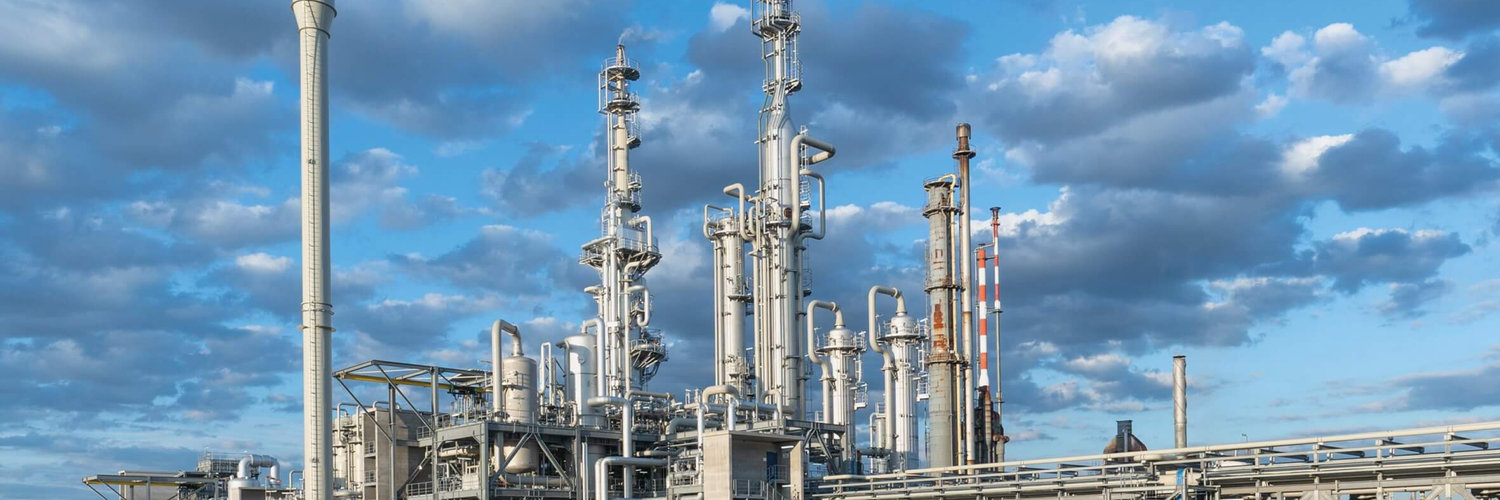
Olin Corp makes two very different kinds of products: chlorine, caustic soda, and other basic chemicals used by manufacturers, and Winchester-branded ammunition used by hunters, sport shooters, law enforcement, and some military customers. Its chemicals are important building blocks for products like paper, water treatment chemicals, plastics, and industrial cleaning products. Its ammunition business sells finished cartridges and related products through retailers, distributors, and direct government and commercial channels. The company makes money by selling these products to other businesses and end users, not by charging subscription or service fees. Chemical customers are mainly industrial buyers who need steady supply for large-scale production, while the ammunition business sells into consumer and government markets where brand, reliability, and distribution matter. Olin’s role is that of a large upstream supplier in chemicals and a branded finished-goods maker in ammunition. What makes Olin unusual is that it combines a heavy industrial chemicals business with a consumer and defense-oriented ammunition business. That mix gives it exposure to two different demand drivers: factory activity and construction on one side, and outdoor recreation, public safety, and defense demand on the other. The company’s earnings depend largely on commodity pricing in chemicals, manufacturing efficiency, and the strength of the Winchester brand in ammunition.
Olin Corp makes two very different kinds of products: chlorine, caustic soda, and other basic chemicals used by manufacturers, and Winchester-branded ammunition used by hunters, sport shooters, law enforcement, and some military customers. Its chemicals are important building blocks for products like paper, water treatment chemicals, plastics, and industrial cleaning products. Its ammunition business sells finished cartridges and related products through retailers, distributors, and direct government and commercial channels.
The company makes money by selling these products to other businesses and end users, not by charging subscription or service fees. Chemical customers are mainly industrial buyers who need steady supply for large-scale production, while the ammunition business sells into consumer and government markets where brand, reliability, and distribution matter. Olin’s role is that of a large upstream supplier in chemicals and a branded finished-goods maker in ammunition.
What makes Olin unusual is that it combines a heavy industrial chemicals business with a consumer and defense-oriented ammunition business. That mix gives it exposure to two different demand drivers: factory activity and construction on one side, and outdoor recreation, public safety, and defense demand on the other. The company’s earnings depend largely on commodity pricing in chemicals, manufacturing efficiency, and the strength of the Winchester brand in ammunition.
Quarterly results: Olin said second-quarter performance was shaped by a sharp but temporary disruption from the Iran conflict, which lifted prices and tightened supply early in the quarter before markets rebalance later on.
Merger update: Management said the planned merger with Huntsman is moving ahead, with the proxy filed and shareholder voting underway ahead of the August 25 special meeting.
Operations: Chlor alkali, epoxy and Winchester all benefited from pricing actions and self-help efforts, while an unplanned VCM outage at Freeport hurt second-quarter results and will still weigh on third quarter.
Outlook: Olin expects third-quarter adjusted EBITDA to be in the range of $160 million to $200 million, with chemicals roughly flat sequentially and Winchester modestly better.
Cash discipline: The company ended the quarter with $1.2 billion of available liquidity and reiterated focus on cash generation, working capital discipline and debt reduction, though litigation-related payments will keep leverage elevated near 4.5x by year-end.