
Repsol SA
XMUN:REP



Decide at what price you'd be comfortable buying and we'll help you stay ready.
|
R
|
Repsol SA
XMUN:REP
|
ES |
|
R
|
Roxas Holdings Inc
XPHS:ROX
|
PH |
|
F
|
Feroze1888 Mills Ltd
KAR:FML
|
PK |

|
Boss Energy Ltd
F:B8Y
|
AU |
|
A
|
Acula Technology Corp
TPEX:3434
|
TW |

|
Prairie Lithium Ltd
OTC:PLIXF
|
AU |
|
B
|
Boryszew SA
XMUN:BOW
|
PL |
|
D
|
Diamond Fields Resources Inc
OTC:DFIFF
|
CA |
|
E
|
Ever Supreme Bio Technology Co Ltd
TPEX:6712
|
TW |

|
Lithium Chile Inc
OTC:LTMCF
|
CA |
|
B
|
Brigit Biofarmaka Teknologi Tbk PT
IDX:OBAT
|
ID |

|
Trondelag Sparebank
OSE:TRSB
|
NO |
|
A
|
Aeffe SpA
XMUN:3A1
|
IT |
|
E
|
E&R Engineering Corp
TPEX:8027
|
TW |

|
Valbiotis SA
PAR:ALVAL
|
FR |

|
Semen Indonesia (Persero) Tbk PT
IDX:SMGR
|
ID |

|
Sentral Mitra Informatika Tbk PT
IDX:LUCK
|
ID |

|
Sinar Mas Agro Resources and Technology Tbk PT
IDX:SMAR
|
ID |
|
A
|
Arif Habib Ltd
KAR:AHL
|
PK |
|
I
|
Integrated Wind Solutions ASA
F:9UG1
|
NO |
|
A
|
Allot Ltd
F:AG6
|
IL |
|
J
|
Juliens International Entertainment Group Co Ltd
TPEX:6595
|
TW |
|
B
|
Buyung Poetra Sembada Tbk PT
IDX:HOKI
|
ID |
|
L
|
Lealea Hotels & Resorts Co Ltd
TPEX:5364
|
TW |
Repsol SA
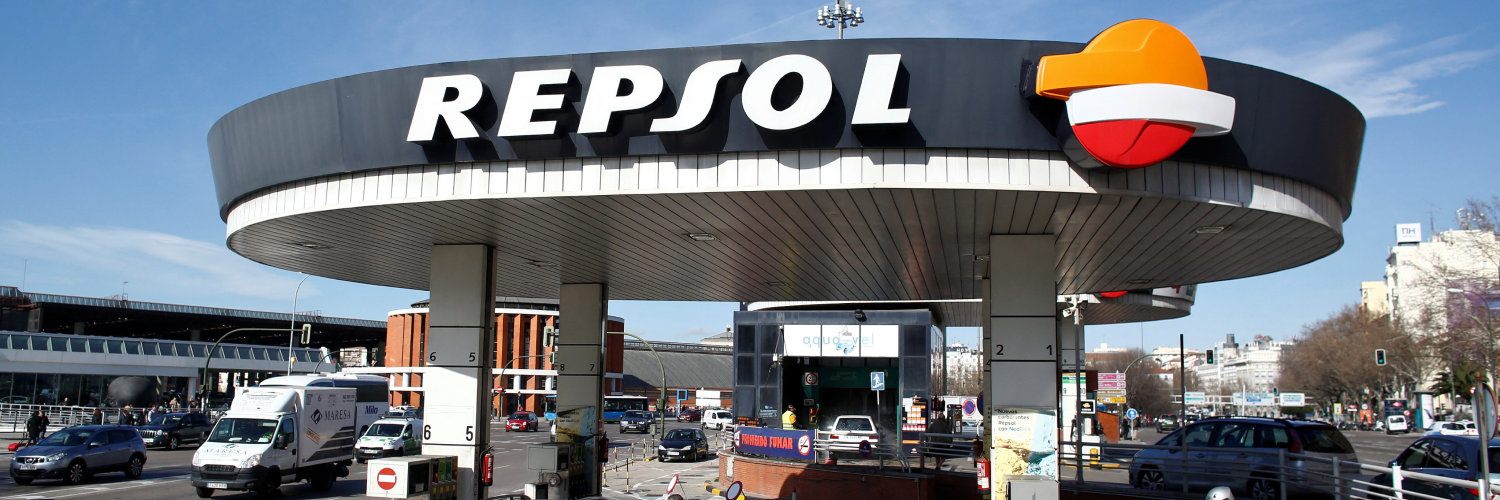
Repsol is an integrated energy company based in Spain. It finds and produces oil and natural gas, turns crude oil into fuels and other petroleum products, and makes chemicals used in industrial and consumer goods. It also sells electricity and gas and has built a growing renewable power business. The company mainly sells to drivers, airlines, shipping companies, factories, utility customers, and household energy users. It earns money by producing and selling hydrocarbons, refining them into fuels and chemicals, and charging for electricity and gas supply and power generation. Its business is tied to large, everyday energy markets rather than a single product. What makes Repsol different is that it sits across several steps of the energy chain. It does not just extract oil and gas; it also refines, markets, and sells energy to end users, which helps it capture value in different parts of the market. That mix of upstream production, refining, retail energy, and renewables gives it a broader role than a pure oil producer.

Repsol is an integrated energy company based in Spain. It finds and produces oil and natural gas, turns crude oil into fuels and other petroleum products, and makes chemicals used in industrial and consumer goods. It also sells electricity and gas and has built a growing renewable power business.
The company mainly sells to drivers, airlines, shipping companies, factories, utility customers, and household energy users. It earns money by producing and selling hydrocarbons, refining them into fuels and chemicals, and charging for electricity and gas supply and power generation. Its business is tied to large, everyday energy markets rather than a single product.
What makes Repsol different is that it sits across several steps of the energy chain. It does not just extract oil and gas; it also refines, markets, and sells energy to end users, which helps it capture value in different parts of the market. That mix of upstream production, refining, retail energy, and renewables gives it a broader role than a pure oil producer.
Strong quarter: Repsol reported adjusted net income of EUR 1.8 billion, up more than EUR 1 billion year on year, helped by a much stronger Industrial division and higher upstream output.
Cash and leverage: Operating cash flow was EUR 1.9 billion, but working capital absorbed EUR 1.3 billion as the company built inventories to protect supply. Net debt fell to EUR 3.7 billion and gearing was 11.3%.
Buybacks rising: Management said it will launch a third buyback program in October and raised the second 2026 buyback to EUR 500 million from EUR 350 million, while reaffirming the 30% to 40% cash flow distribution target.
Refining strength: Refining was the standout, with margins supported by tight diesel and jet fuel markets, lower inventories, and disruption in Russia and the Strait of Hormuz. Management said July margins were still running above $30 per barrel.
Upstream growth: Pikka in Alaska started producing in May and is expected to reach 80,000 gross barrels per day in Q3. Full-year output is expected near the high end of the 560,000 to 570,000 barrels per day range.
Venezuela and renewables: Repsol said recurring cargo payments are financing its Venezuelan gas and oil investments, while its renewable asset rotation continued with a EUR 849 million deal that should cut net debt by EUR 700 million.