Research Content
Uploading...

 Meta Platforms Inc Research
NASDAQ:META
Meta Platforms Inc Research
NASDAQ:META
NASDAQ:META
High Quality
Slightly Overvalued
-9%
Meta Platforms Inc Research


Analyst: Marcus Reed
Reviewed By: Carlos Mendes
Updated
Nov 7, 2025
11 minutes reading time
Summary
High Quality
Slightly Overvalued
-9%
The business is solid, the price is ambitious — and the gap between them matters
Meta has bounced back from a period when the market underpriced its strengths. Today, expectations are much higher. The company still looks like a long-term winner, but at this valuation the risk/reward balance is less forgiving than it was.

Alpha Spread Analyst Team
Key Points:
- Meta owns Facebook, Instagram, WhatsApp, and Messenger - some of the most popular apps on the planet.
- Growth today comes not from adding new users, but from improving monetization.
- Big investments in VR come with real cost, and real uncertainty.
- The current stock price already reflects a lot of optimism.
- Long-term returns will depend on how well Meta keeps adapting to change.
Bear Theses
Attention Drift Risk. If a new platform grabs younger users faster than Meta can respond, minutes (and ad dollars) could exit the ecosystem.
Platform Dependency. Apple and Google control mobile rules; each new privacy or fee change chips away at Meta's data advantage and ad economics.
Costly Moonshot. Reality Labs burns billions with uncertain payoff; continued spending keeps dragging on margins and could test investor patience.
Bull
Theses
Scale + Habit Moat. Facebook, Instagram, WhatsApp, and Messenger lock in billions of daily users, giving Meta unmatched reach and data for ad targeting.
Cash Machine The core ad engine throws off huge free cash flow; most new revenue drops straight to profit because the infrastructure is already built.
Proven Pivot Speed. Meta copied Stories, rolled out Reels, and rebuilt ad tools after Apple's privacy changes - evidence it can adapt before threats become existential.
What The Company Does
Meta turns billions of daily interactions into one of the most powerful ad businesses in the world.
The Products People Use
Meta owns four of the most popular apps on the planet: Facebook, Instagram, WhatsApp, and Messenger. These platforms are used by over 3 billion people every day to connect with friends, watch videos, scroll through news, or message businesses.
Most of what people do on these apps is free. The value comes from attention. The more time users spend, the more Meta learns about what they like, and the more chances it gets to show them relevant ads.
How Meta Makes Money
Meta doesn't charge users. Instead, it sells targeted advertising to businesses.
When you scroll through Instagram or Facebook, you'll see ads for products or services that feel weirdly relevant. That's not luck - it's data.
Using all the data people generate (what they click, who they follow, what they watch), Meta's AI systems help advertisers reach the exact type of person they want, someone likely to care, click, or buy.
Better targeting → higher ad value → bigger revenue. It's the same core model used by Google: offer free tools, capture user attention, and monetize it through advertising.
Building for What Comes Next
Through its Reality Labs division, Meta is developing virtual reality headsets (Quest), smart glasses (Ray-Ban Meta), and its own 3D social environment (Horizon Worlds).
The goal isn't to extend its current ad business; it's to create a completely new platform where Meta controls the full experience: hardware, software, and distribution. In this world, revenue comes not just from ads, but from selling devices, taking a cut of app sales, and eventually enabling virtual commerce inside immersive spaces.
So far, adoption is limited, and the division loses billions each year. But Meta's leadership sees this as a long-term investment: if immersive technology becomes mainstream, the companies that build the foundation will shape the rules and collect the profits.
Frequently Asked Questions
What do you mean by "attention is the value"?
Meta's apps are free, so money doesn't come from users directly. Instead, every minute you spend scrolling or watching creates an opportunity to show you an ad. More minutes = more ad slots = more revenue.
What is "targeted advertising"?
Instead of showing the same ad to everyone, Meta uses data (your likes, follows, video views, etc.) to guess what you might buy. Advertisers pay extra for that precision because it raises the chance you'll click or purchase.
How does Meta's AI pick which ad I see?
An algorithm weighs thousands of signals in milliseconds — your recent activity, the ad's budget, and how similar users behaved — to predict which ad is most likely to interest you. The ad with the best predicted result wins the slot.
What is Reality Labs?
Reality Labs is Meta's hardware division. It builds Quest VR headsets, Ray-Ban smart glasses, and Horizon Worlds (a 3-D social platform). Think of it as Meta's bet on the "next device after smartphones."
Market & Competition
Meta isn't the only one chasing your attention, but it still controls the largest piece of it.
— Alpha Spread Analyst Team
Market Opportunity
Advertising follows attention. As more of daily life shifts online (watching videos, messaging, browsing social feeds) brands follow with their budgets. In 2024, global ad spending passed $1 trillion for the first time. That number is expected to grow to $1.24 trillion by 2026, with digital ads leading the charge.
Social media advertising, in particular, is growing faster than the broader ad market: up 14% year-over-year in 2024, reaching $247 billion. As this category expands, Meta remains at the center: its apps capture more user time than any other social platform, giving it both reach and relevance.
Competitive Landscape
Meta doesn't compete with just one company; it competes with anything that grabs your attention.
| Who | How they compete with Meta |
|---|---|

Tik Tok
ByteDance
|
Competes for user time and attention, especially among younger users; pulls ad budgets toward short-form video. |

Alphabet Inc
NASDAQ:GOOGL
|
Competes via YouTube for video viewing time and ad dollars; also controls Android and sets key rules on mobile platforms. |

Snap Inc
NYSE:SNAP
|
Competes in visual messaging and AR filters; strong with younger U.S. users and early in camera-based experiences. |

Apple Inc
NASDAQ:AAPL
|
Doesn't compete for attention, but controls the iOS platform and enforces privacy policies that reduce Meta's ad targeting power. |

Amazon.com Inc
NASDAQ:AMZN
|
Competes for digital ad budgets (especially from product-focused brands) via its retail media and search ads. |
TikTok is the most obvious threat. Its short videos are incredibly addictive, especially for younger users, and it's pulling both time and ad dollars away from Instagram and Facebook. Meta responded by launching Reels, which helped it stay relevant, but the pressure hasn't gone away.
YouTube is also a major rival. It owns long-form video and has its own short-form format (YouTube Shorts), putting it in direct competition for both users and video ad budgets.
Then there's Apple and Google. They don't run social networks, but they control the mobile platforms Meta depends on. Apple’s privacy rules (like App Tracking Transparency) have already hurt Meta's ability to track users and measure ad performance. Google is following a similar path on Android. That gives both companies indirect but serious influence over Meta's business.
Finally, Amazon is quietly becoming an ad giant, mainly through product search ads. While it doesn't compete for attention, it's competing for ad budgets.
Positioning & Economic Moat
Meta has a wide economic moat built on habit, scale, data, and integration. Billions of people use its apps daily, often without even thinking. That kind of embedded behavior is hard for competitors to replace. Most platforms fight for attention. Meta already owns it.
Wide
Economic Moat
Meta Platforms Inc
No Moat
Narrow
Wide
Its advertising engine is another advantage. Meta's AI, trained on years of behavioral data, helps businesses target the right people with high precision. That makes ads more effective, keeps advertisers loyal, and creates a feedback loop: more users → more data → better targeting → more ad spend.
Finally, Meta's platforms work as a connected system. Businesses can launch one campaign and reach users across Facebook, Instagram, Messenger, and WhatsApp with unified targeting and analytics. That convenience adds another layer of stickiness.
The combination of user scale, data, and product integration gives Meta deep, durable advantages that few competitors can match.
Frequently Asked Questions
Why does "advertising follow attention"?
Brands spend money where people spend time. If people shift from TV to phone screens, ad dollars move too. Attention is the currency that decides where budgets go.
What is Apple's "App Tracking Transparency" and why does it matter?
App Tracking Transparency (ATT) is a privacy pop-up on iPhones that lets users block apps from sharing data across services. When many users tap "Ask App Not to Track", Meta gets less data to target ads, which can lower ad performance and revenue.
What is an "economic moat"?
An economic moat is a long-term advantage that protects a business from competition — like a moat around a castle. It makes it harder for others to steal customers, undercut prices, or copy the business model.
Moats come in different sizes:
— No moat: The company competes purely on price or speed. Rivals can easily take market share.
— Narrow moat: The company has some edge, but it's not untouchable.
— Wide moat: The company has deep, lasting advantages that are hard to copy.
Meta is generally viewed as having a wide moat. Its advantage isn't just popularity; it's the combination of scale + data + integration. Together, those factors create switching costs for both users and advertisers. Even if a rival app feels fresher, leaving Meta means abandoning friends, followers, and proven ad tools — a hurdle most competitors struggle to clear.
Growth Performance
User Growth: Still Moving, but Slower
Meta's total user base continues to grow, especially in emerging markets like India, Indonesia, and parts of Africa. But in the U.S. and Europe, where most revenue comes from, growth has mostly flattened. That's expected for a company already used by most of the internet.
What matters now isn't just how many people use Meta; it's how often they come back and how long they stay. So far, engagement remains strong across Facebook, Instagram, and WhatsApp.
Engagement Growth: Reels Keeps Users Hooked
Short-form video has changed how people spend time online. TikTok led the shift, but Meta caught up quickly with Reels - short videos built directly into Instagram and Facebook. Reels now account for a big part of time spent on both apps, especially among younger users.
This shift helps Meta hold attention and create more high-impact video ad space, turning a threat into a growth driver.
Revenue Growth: Better Ads, Smarter Tools
Meta's revenue growth has picked up again, thanks to two things:
- Improvements in ad targeting, powered by AI.
- Tools that help businesses create and manage campaigns with less effort.
Even with privacy changes limiting user tracking (especially on iPhones), Meta has found new ways to deliver effective ads, and advertisers have responded by spending more.
In addition, messaging monetization (especially on WhatsApp) is starting to kick in. More businesses now use chat to support customers, send updates, or even close sales, and Meta is building tools to charge for it.
Frequently Asked Questions
Why do short videos help Meta's revenue?
Short-form feeds keep people watching clip after clip. Each swipe is a chance to slip in a video ad — high-impact and easy to target. More swipes = more ad inventory.
How does AI improve ad targeting?
Meta's algorithms analyse patterns in clicks, follows, views, and purchases to predict what each person might buy next. Better predictions mean ads feel more relevant, so advertisers get more sales per dollar and spend more with Meta.
What is "messaging monetization" on WhatsApp?
Businesses can now pay Meta to send order updates, shipping notices, or promotional messages through WhatsApp. They can also run "click-to-chat" ads that open a conversation thread, where sales or support happen without leaving the app.
Margins & Profitability
Meta's core business generates strong profits with minimal costs - a textbook example of a scalable digital model.
High Margins from Advertising
The core of Meta's profitability is its ad business. Once the infrastructure and systems are in place, serving more ads doesn't cost much. That means most of the revenue from new ads becomes profit.
This model gives Meta operating margins that rank among the highest in big tech, especially during stable periods with controlled spending.
Reality Labs Weighs on Profitability
Meta's investment in VR and AR through its Reality Labs division puts pressure on margins. This part of the business earns little but consumes a large share of research and development costs.
If you removed Reality Labs from the picture, the core business would appear even more profitable, but leadership continues to fund it as a long-term strategic priority.
Strong Returns on Capital
Meta's business doesn't just produce profit, it uses capital efficiently. Because the company relies mostly on software and data infrastructure, it can grow without constantly reinvesting in physical assets.
That's why Meta has historically delivered strong returns on invested capital compared to most large companies.
Why Margins and Returns Swing
Even with a strong core, Meta's profitability isn't perfectly stable. Margins and returns can move significantly from year to year, not because the business is weak, but because of how and when Meta chooses to spend.
The company tends to invest in big waves, like hiring thousands of engineers or expanding its infrastructure. These spending cycles lower profitability in the short term, but often set up future growth. External factors, like changes in privacy rules or advertising demand, can also create temporary pressure.
For investors, the key is not the short-term dip, but whether Meta can recover, and historically, it has.
Frequently Asked Questions
What's a "margin" anyway?
A margin is the slice of each sales dollar the company keeps after paying costs. Gross margin looks at costs to make the product. Operating margin also subtracts running the business (staff, R&D, marketing). Higher margins mean more money left over.
What is ROIC, and why should I care?
ROIC stands for Return on Invested Capital — basically, it answers the question: “For every dollar Meta puts into its business, how much profit does it get back?”
It's a key way to measure how efficiently a company turns its resources into results. Meta scores high because it doesn't need to build factories or hold inventory. Most spending goes into software, data centers, and AI models — assets that can be reused and scaled across billions of users at low incremental cost.
How is ROIC different from profit margins?
— Margins show how much profit is made from sales.
— ROIC shows how well the company turns investment dollars into profit.
A company can have great margins but still poor ROIC if it overspends to grow. Meta stands out because it has historically managed to keep both healthy: strong ad pricing power and efficient, scalable investment.
What is an "operating leverage"?
Fixed costs stay mostly the same even when sales grow. If revenue doubles but expenses barely move, profit rises faster than sales. That amplifying effect is called operating leverage.
Free Cash Flow
Investors pay close attention to free cash flow because it shows how much real, flexible cash a company can use to return value to shareholders, fund future growth, or survive tough times. Profits on paper can be adjusted. Free cash flow is harder to fake.
Strong Cash Generation
Meta's business is built to produce free cash flow. It doesn't need inventory, shipping, or physical stores. Once the core systems are in place, adding more revenue doesn't require much extra spending. That means a large portion of what it earns turns into available cash.
Investment Cycles Matter, but FCF Holds Up
Meta's spending isn’t always flat: the company often invests in big waves, like building data centers or scaling new product areas. That can cause short-term swings in free cash flow.
But even during heavy investment years, the business continues to generate more cash than it consumes. That consistency comes from the underlying efficiency of its model: most of the revenue doesn't require ongoing capital to sustain.
Cash Gets Put to Work
Meta uses that cash in three main ways:
- Buybacks, which increase long-term value per share.
- Cash reserves, which give the company flexibility in uncertain markets.
- Selective reinvestment, aimed at improving long-term platform strength.
Meta doesn’t pay a regular dividend, but its steady, large-scale buybacks speak for themselves.
Frequently Asked Questions
Why is Free Cash Flow more important than earnings?
Earnings can be an accounting puzzle; free cash flow is the money that actually hits the bank.
Net income includes non-cash items (stock-based compensation, depreciation, deferred taxes) and timing estimates that may never turn into real cash. Meta's reported profit can swing when its share price moves (because stock awards are expensed) or when it ramps up depreciation on new data-center builds. Free cash flow strips all that out. It shows what's left after Meta pays suppliers, funds product R&D, and settles its capital bills.
That leftover cash finances buybacks, acquisitions, and the company's sizable cash cushion. For that reason, many analysts treat free cash flow as the cleaner, "hard-currency" measure of Meta's financial muscle.
How do share buybacks help me?
When Meta spends cash to repurchase its own stock, those shares are retired. The company's earnings and future value are then divided among fewer shares.
You still hold the same number of shares, but each one now represents a slightly bigger slice of Meta's business. That smaller share count can lift earnings per share (EPS) and often supports a higher share price, even if total profit stays flat. In short, buybacks quietly increase the ownership weight of every remaining share you already own.
Management

Mr. Mark Elliot Zuckerberg
Founder, Chairman & CEO
Mark Elliot Zuckerberg is an American technology entrepreneur and philanthropist best known as the co-founder and CEO of Meta Platforms, Inc., originally launched as Facebook, Inc., which fundamentally reshaped social interaction through digital means. Born on May 14, 1984, in White Plains, New York, Zuckerberg showed an early interest in computers and programming. While attending Harvard University, he launched "Thefacebook" in 2004 with his college roommates. Initially designed for college students in the U.S., the platform rapidly expanded beyond academic institutions to become a global social networking site.
Under Zuckerberg's leadership, Facebook grew exponentially, going public in one of the largest initial public offerings in U.S. history in 2012. As the platform evolved, it acquired several other major services, including Instagram and WhatsApp. In 2021, Zuckerberg announced that Facebook, Inc. would be renamed Meta Platforms, Inc. to reflect its broader focus on building the "metaverse," a collective virtual shared space.
In addition to his work with Meta, Zuckerberg is known for his philanthropic efforts. He and his wife, Priscilla Chan, founded the Chan Zuckerberg Initiative in 2015, committing substantial portions of their wealth to causes like education, health, and scientific research. Despite being a central figure in numerous controversies regarding privacy, data handling, and misinformation, Zuckerberg remains an influential figure in the tech industry, driving innovation and conversation about the future of digital communication.
Under Zuckerberg's leadership, Facebook grew exponentially, going public in one of the largest initial public offerings in U.S. history in 2012. As the platform evolved, it acquired several other major services, including Instagram and WhatsApp. In 2021, Zuckerberg announced that Facebook, Inc. would be renamed Meta Platforms, Inc. to reflect its broader focus on building the "metaverse," a collective virtual shared space.
In addition to his work with Meta, Zuckerberg is known for his philanthropic efforts. He and his wife, Priscilla Chan, founded the Chan Zuckerberg Initiative in 2015, committing substantial portions of their wealth to causes like education, health, and scientific research. Despite being a central figure in numerous controversies regarding privacy, data handling, and misinformation, Zuckerberg remains an influential figure in the tech industry, driving innovation and conversation about the future of digital communication.

Ms. Susan J. S. Li
Chief Financial Officer
Susan J. S. Li is a prominent business executive currently serving as the Chief Financial Officer (CFO) at Meta Platforms Inc., the company formerly known as Facebook. She has played a significant role in the company's financial management and strategy. Susan Li joined Facebook in 2008 and has held various key positions within the organization. Before her appointment as CFO, she was involved in leading teams responsible for finance, treasury, audit, and investor relations.
Li holds a bachelor's degree in economics from Harvard University, which laid the foundation for her career in finance and technology. Her expertise in financial operations and strategic planning has been instrumental in driving Meta's fiscal resilience and supporting its expansive growth.
Before her tenure at Meta, Susan Li worked in investment banking, which provided her with a strong background in financial analysis and corporate finance. Her leadership and vision continue to be vital to Meta's evolution and its ongoing efforts to innovate in social media and virtual reality technologies.
Li holds a bachelor's degree in economics from Harvard University, which laid the foundation for her career in finance and technology. Her expertise in financial operations and strategic planning has been instrumental in driving Meta's fiscal resilience and supporting its expansive growth.
Before her tenure at Meta, Susan Li worked in investment banking, which provided her with a strong background in financial analysis and corporate finance. Her leadership and vision continue to be vital to Meta's evolution and its ongoing efforts to innovate in social media and virtual reality technologies.

Mr. Javier Olivan
Chief Operating Officer
Javier Oliván is a notable executive in the technology industry, primarily recognized for his work with Meta Platforms, Inc., formerly known as Facebook, Inc. He has served as the Chief Operating Officer (COO) of Meta, where he plays a pivotal role in overseeing the company's operations and executing its strategic priorities.
Oliván joined Facebook in 2007 and has been a vital part of the company’s international expansion. He was instrumental in driving the growth of Facebook into various international markets by leading efforts in localization and engagement strategies. His role expanded over the years, encompassing various aspects of the company's organizational and product development strategies.
Before stepping into the COO role, Oliván led Facebook's Growth team, which was crucial in scaling the platform from millions to billions of users worldwide. His contributions have been significant in creating strategies that ensured sustainable growth and user engagement across different regions and demographics.
With a background in engineering, Javier holds a Master’s in Business Administration from Stanford University and a master's degree in both electrical and industrial engineering. His technical and business acumen has significantly contributed to his effective leadership at Meta Platforms.
Oliván is known for his low-profile yet powerful presence in the company, acting as a driving force behind several successful projects and initiatives. His strategic insights and operational expertise continue to shape the future direction of Meta as it expands into new areas and technologies.
Oliván joined Facebook in 2007 and has been a vital part of the company’s international expansion. He was instrumental in driving the growth of Facebook into various international markets by leading efforts in localization and engagement strategies. His role expanded over the years, encompassing various aspects of the company's organizational and product development strategies.
Before stepping into the COO role, Oliván led Facebook's Growth team, which was crucial in scaling the platform from millions to billions of users worldwide. His contributions have been significant in creating strategies that ensured sustainable growth and user engagement across different regions and demographics.
With a background in engineering, Javier holds a Master’s in Business Administration from Stanford University and a master's degree in both electrical and industrial engineering. His technical and business acumen has significantly contributed to his effective leadership at Meta Platforms.
Oliván is known for his low-profile yet powerful presence in the company, acting as a driving force behind several successful projects and initiatives. His strategic insights and operational expertise continue to shape the future direction of Meta as it expands into new areas and technologies.

Mr. Andrew Bosworth
Chief Technology Officer
Andrew Bosworth, commonly known as "Boz," is a prominent executive at Meta Platforms Inc., formerly known as Facebook, Inc. He is known for his long tenure with the company and his significant contributions to its development and technological advancements. Boz joined Facebook in January 2006, soon after the company was founded.
He has held various key roles within the company, demonstrating his expertise in engineering and product management. Bosworth played a crucial role in developing some of Facebook's core products, such as News Feed, the suite of Facebook applications, and Facebook Ads. His technical acumen and leadership skills have been instrumental in driving Facebook’s growth over the years.
In 2017, he took on the role of Vice President of Augmented and Virtual Reality, where he led the company's efforts in advancing technologies like Oculus and other AR/VR initiatives. This move was part of Facebook's broader strategy to innovate and lead in the burgeoning field of immersive technologies.
In 2020, Andrew Bosworth was appointed the head of Facebook Reality Labs, which encompasses all of the company's work on AR and VR. His leadership in this realm underscores Meta's commitment to building the “metaverse,” a term popularized as the next frontier of the internet focusing on virtual and augmented reality experiences.
Additionally, in 2021, he was named the Chief Technology Officer (CTO) of Meta. In this role, Boz is responsible for steering the company’s technological vision, overseeing the development of new products and technologies that align with Meta's evolving goals.
Andrew Bosworth is regarded as one of the key figures shaping the future of Meta, especially in terms of technological innovation and the realization of building integrated digital experiences through virtual and augmented reality.
He has held various key roles within the company, demonstrating his expertise in engineering and product management. Bosworth played a crucial role in developing some of Facebook's core products, such as News Feed, the suite of Facebook applications, and Facebook Ads. His technical acumen and leadership skills have been instrumental in driving Facebook’s growth over the years.
In 2017, he took on the role of Vice President of Augmented and Virtual Reality, where he led the company's efforts in advancing technologies like Oculus and other AR/VR initiatives. This move was part of Facebook's broader strategy to innovate and lead in the burgeoning field of immersive technologies.
In 2020, Andrew Bosworth was appointed the head of Facebook Reality Labs, which encompasses all of the company's work on AR and VR. His leadership in this realm underscores Meta's commitment to building the “metaverse,” a term popularized as the next frontier of the internet focusing on virtual and augmented reality experiences.
Additionally, in 2021, he was named the Chief Technology Officer (CTO) of Meta. In this role, Boz is responsible for steering the company’s technological vision, overseeing the development of new products and technologies that align with Meta's evolving goals.
Andrew Bosworth is regarded as one of the key figures shaping the future of Meta, especially in terms of technological innovation and the realization of building integrated digital experiences through virtual and augmented reality.

Mr. Christopher K. Cox
Chief Product Officer
Christopher K. Cox is the Chief Product Officer at Meta Platforms Inc., formerly known as Facebook, Inc. Cox joined Facebook in 2005, shortly after the company was founded, and he has been instrumental in shaping the development of the platform and its products over the years. He initially started as a software engineer and quickly moved up the ranks due to his talent and vision.
Cox is known for his leadership in building the Facebook product team and has played a critical role in the evolution of the News Feed, Facebook's design, and the overall user experience. He has been influential in advocating for ethical considerations in product development, focusing on user privacy and data protection.
In March 2019, Cox left Facebook but returned to the company in June 2020. His return was welcomed as it was seen as a stabilizing move at a time when the company was navigating various challenges and pushing towards new initiatives, including the emphasis on the "metaverse."
Cox's contributions have been significant in guiding Meta's strategic direction and ensuring the alignment of their products with user needs and corporate goals. His leadership continues to be pivotal as Meta focuses on expanding its social technologies and platforms.
Cox is known for his leadership in building the Facebook product team and has played a critical role in the evolution of the News Feed, Facebook's design, and the overall user experience. He has been influential in advocating for ethical considerations in product development, focusing on user privacy and data protection.
In March 2019, Cox left Facebook but returned to the company in June 2020. His return was welcomed as it was seen as a stabilizing move at a time when the company was navigating various challenges and pushing towards new initiatives, including the emphasis on the "metaverse."
Cox's contributions have been significant in guiding Meta's strategic direction and ensuring the alignment of their products with user needs and corporate goals. His leadership continues to be pivotal as Meta focuses on expanding its social technologies and platforms.


Mr. Atish Banerjea
Chief Information Officer
Atish Banerjea serves as the Chief Information Officer (CIO) at Meta Platforms Inc. (formerly Facebook, Inc.). In his role, Banerjea oversees the company's global enterprise engineering and information technology functions, focusing on ensuring that Meta's internal systems and infrastructure are equipped to support its rapid growth and innovation. He plays a critical role in implementing technologies that drive efficiency, enhance collaboration, and support the company’s expanding global operations.
Before joining Meta, Atish Banerjea was the Executive Vice President and Chief Information Officer for NBCUniversal, where he was instrumental in implementing digital solutions that facilitated the company's digital transformation efforts. Prior to that, he held leadership roles at other major corporations, including Dex Media and Pearson.
Atish Banerjea holds a Bachelor of Technology in electronics engineering from the University of Mumbai and a Master’s degree in computer applications. He has a track record of leading large-scale IT operations and fostering environments that encourage technological innovation and digital growth. His expertise in integrating technology with business strategy has made him a pivotal figure in Meta’s continuous evolution as a leader in the tech industry.
Before joining Meta, Atish Banerjea was the Executive Vice President and Chief Information Officer for NBCUniversal, where he was instrumental in implementing digital solutions that facilitated the company's digital transformation efforts. Prior to that, he held leadership roles at other major corporations, including Dex Media and Pearson.
Atish Banerjea holds a Bachelor of Technology in electronics engineering from the University of Mumbai and a Master’s degree in computer applications. He has a track record of leading large-scale IT operations and fostering environments that encourage technological innovation and digital growth. His expertise in integrating technology with business strategy has made him a pivotal figure in Meta’s continuous evolution as a leader in the tech industry.

Ms. Deborah T. Crawford
Vice President of Investor Relations
Ms. Deborah T. Crawford is a prominent figure in the technology industry and currently serves as an executive at Meta Platforms, Inc., formerly known as Facebook, Inc. She holds the position of Vice President of Finance at the company. In this role, she is responsible for overseeing and managing the financial operations, strategies, and fiscal planning aspects of Meta, ensuring that the company maintains its financial health and continues on a growth trajectory.
With extensive experience in financial management and leadership, Ms. Crawford plays a critical role in guiding the company's financial practices and policies. Her responsibilities include budgeting, forecasting, financial reporting, and capital management, all of which are essential to fostering Meta's global expansion and technological innovation.
Deborah T. Crawford is known for her strategic approach to finance, aligning financial goals with the overall mission of Meta to connect people and build communities through technology. Her leadership is instrumental in maintaining investor confidence and ensuring compliance with financial regulations, positioning Meta as a leading player in the tech arena.
Before her role at Meta, Ms. Crawford gained valuable experience and built a strong financial acumen through various finance and leadership positions in different high-profile organizations, further honing her skills and expertise in managing complex financial landscapes. Her professional journey reflects her commitment to excellence and her ability to drive financial success in a rapidly evolving industry.
With extensive experience in financial management and leadership, Ms. Crawford plays a critical role in guiding the company's financial practices and policies. Her responsibilities include budgeting, forecasting, financial reporting, and capital management, all of which are essential to fostering Meta's global expansion and technological innovation.
Deborah T. Crawford is known for her strategic approach to finance, aligning financial goals with the overall mission of Meta to connect people and build communities through technology. Her leadership is instrumental in maintaining investor confidence and ensuring compliance with financial regulations, positioning Meta as a leading player in the tech arena.
Before her role at Meta, Ms. Crawford gained valuable experience and built a strong financial acumen through various finance and leadership positions in different high-profile organizations, further honing her skills and expertise in managing complex financial landscapes. Her professional journey reflects her commitment to excellence and her ability to drive financial success in a rapidly evolving industry.

Ms. Jennifer G. Newstead J.D.
Chief Legal Officer
Jennifer G. Newstead is best known for her role as the Chief Legal Officer at Meta Platforms Inc., where she was responsible for overseeing the company's global legal functions, including corporate governance, intellectual property, litigation, and regulatory compliance. Her extensive legal career includes serving as the Legal Adviser at the U.S. Department of State, where she played a pivotal role in advising on international legal matters and diplomatic agreements.
Before her tenure at Meta, Newstead had a distinguished legal career that included positions in both government and the private sector. She was a partner at the law firm Davis Polk & Wardwell LLP, where she specialized in regulatory and compliance matters. Her government experience also includes serving as General Counsel of the Office of Management and Budget under President George W. Bush, where she contributed to significant policy and regulatory developments.
Newstead's educational background includes a Juris Doctor degree from Yale Law School and an undergraduate degree from Harvard University. Her expertise in legal and regulatory issues, combined with her comprehensive experience in public service and private practice, made her a valuable asset to Meta Platforms Inc. during her tenure.
Before her tenure at Meta, Newstead had a distinguished legal career that included positions in both government and the private sector. She was a partner at the law firm Davis Polk & Wardwell LLP, where she specialized in regulatory and compliance matters. Her government experience also includes serving as General Counsel of the Office of Management and Budget under President George W. Bush, where she contributed to significant policy and regulatory developments.
Newstead's educational background includes a Juris Doctor degree from Yale Law School and an undergraduate degree from Harvard University. Her expertise in legal and regulatory issues, combined with her comprehensive experience in public service and private practice, made her a valuable asset to Meta Platforms Inc. during her tenure.

Mr. Henry T. A. Moniz
Chief Compliance Officer
Henry T. A. Moniz is a prominent figure in the field of compliance and risk management. Currently, he serves as the Chief Compliance Officer and Chief Audit Executive at Meta Platforms Inc. (formerly Facebook Inc.). Moniz joined Meta in 2021, bringing with him extensive experience in compliance, legal oversight, and financial auditing.
Before joining Meta, Moniz worked at ViacomCBS, where he held the position of Chief Compliance Officer and was responsible for spearheading the company's compliance efforts, including the establishment of policies and programs to ensure adherence to legal and regulatory requirements. His role involved managing risks associated with the company's global operations and ensuring that ethical standards were maintained across all business practices.
Prior to his tenure at ViacomCBS, Moniz also worked at the highly regarded media conglomerate, NBCUniversal, where he played a crucial role in compliance and risk management. Through his career, Moniz has been recognized for his leadership skills, strategic thinking, and his ability to foster a corporate culture of integrity and transparency.
Moniz's educational background includes a law degree, which has provided him with a solid foundation to oversee compliance and audit functions effectively. His depth of experience and proactive approach in corporate governance and risk management has contributed significantly to Meta's efforts towards maintaining high compliance standards amid a rapidly evolving digital landscape.
Before joining Meta, Moniz worked at ViacomCBS, where he held the position of Chief Compliance Officer and was responsible for spearheading the company's compliance efforts, including the establishment of policies and programs to ensure adherence to legal and regulatory requirements. His role involved managing risks associated with the company's global operations and ensuring that ethical standards were maintained across all business practices.
Prior to his tenure at ViacomCBS, Moniz also worked at the highly regarded media conglomerate, NBCUniversal, where he played a crucial role in compliance and risk management. Through his career, Moniz has been recognized for his leadership skills, strategic thinking, and his ability to foster a corporate culture of integrity and transparency.
Moniz's educational background includes a law degree, which has provided him with a solid foundation to oversee compliance and audit functions effectively. His depth of experience and proactive approach in corporate governance and risk management has contributed significantly to Meta's efforts towards maintaining high compliance standards amid a rapidly evolving digital landscape.
Meta is a founder-led company with a high tolerance for risk, a history of bold bets, and a proven ability to course-correct under pressure.
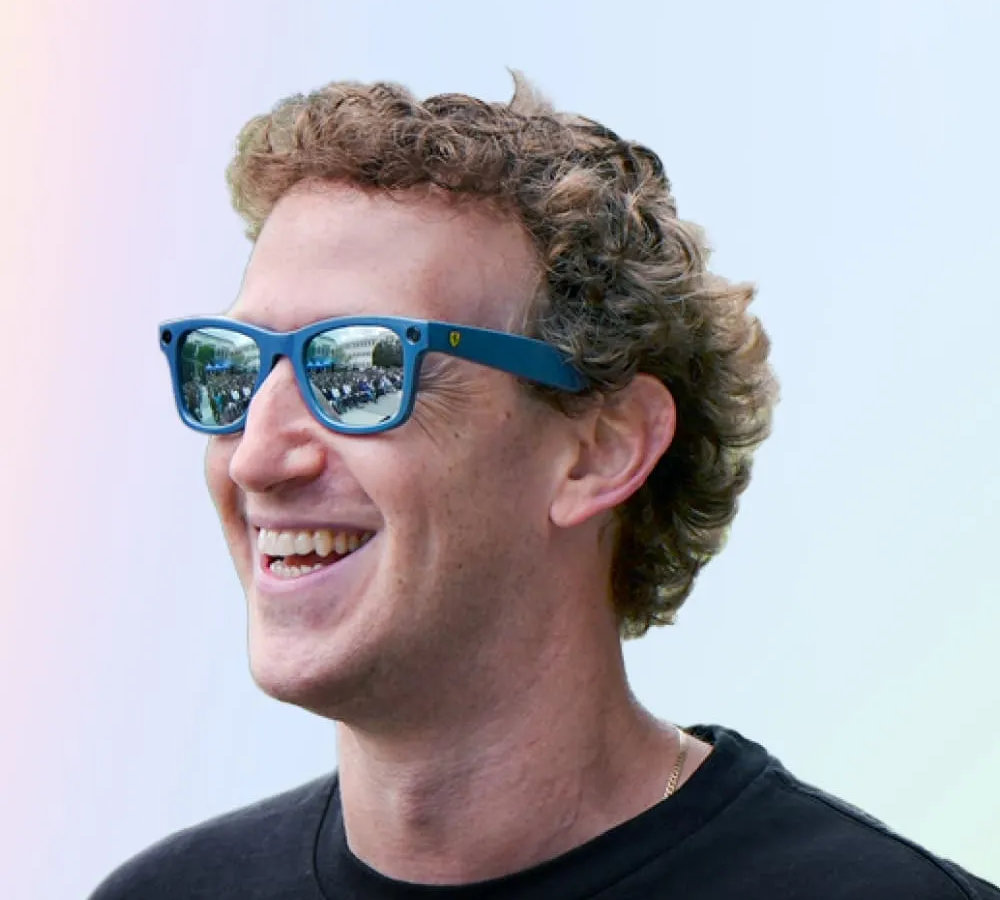
Zuckerberg Runs the Show
Zuckerberg still owns a special class of shares that gives him majority voting power. In plain terms: no one can fire him, and he doesn't need permission from other shareholders to make big moves.
For investors, that's a double-edged sword. On one hand, it allows Meta to think long-term and move fast, without chasing quarterly results. On the other hand, it concentrates power in one person, which means the company rises or falls with his decisions.
He Takes Big Swings and Learns Fast When They Miss
Zuckerberg has a history of going all-in early. He bought Instagram when people still thought it was just a photo filter app. He pushed mobile before Wall Street took smartphones seriously. And more recently, he bet billions on building the metaverse.
That last one shook investor confidence. But when Meta's stock and margins tanked, he responded fast: cutting costs, laying off thousands, and refocusing on efficiency. Within a year, profits and share price rebounded. It showed that while he moves aggressively, he's not stubborn when the data turns.
Execution Remains Tight, Especially on Product
Meta’s leadership team isn't flashy, but it's effective. Key leaders have been with the company for years and know how to operate at global scale. They've repeatedly shown they can launch new formats (like Stories, then Reels), grow them quickly, and monetize them efficiently.
Right now, the team is focused on AI, not just for buzz, but to improve core areas like ad targeting, content ranking, and automation for advertisers. It's a natural extension of what Meta already does well.
Capital Allocation Signals Long-Term Thinking
Outside of Zuckerberg, few insiders hold major equity, but executive compensation is tied to long-term performance. Meta doesn't pay a dividend, but it returns billions through buybacks, especially when the stock is under pressure.
That approach sends a clear message: Meta believes in the long-term value of the business and is willing to act when the market gets it wrong.
Frequently Asked Questions
What does "founder-led" mean, and why does it matter?
A founder-led company is still run by the person who started it. Founders often take bigger risks and think longer-term because they feel personally tied to the mission. The flip side is they can also push through ideas others might question.
What are "special shares" and "majority voting power"?
Meta has a dual-class share structure. Zuckerberg holds a class of stock that carries extra votes, giving him control even though he owns less than half the economic stake. In practice, shareholders can't oust him or block big strategic moves.
Long-Term View
This is a bet on execution — not perfection, but the ability to stay relevant as platforms, habits, and technologies keep changing.
— Alpha Spread Analyst Team
Meta's core business is incredibly strong. Billions of people use its apps, advertisers depend on its targeting, and the ad engine continues to print cash. But the long-term story isn't just about maintaining what works; it's about adapting before something breaks.
The risks are real. User attention is constantly shifting. Platforms like TikTok have shown how fast habits can change, especially among younger users. Apple and Google still control mobile access, and every new privacy rule chips away at Meta's data advantage. Reality Labs continues to burn cash, with no guarantee of payoff.
At the same time, Meta has shown it can move fast when needed. It rebuilt its ad tools after Apple's privacy changes, scaled Reels to counter TikTok, and leaned into AI to improve ad performance and engagement. None of these moves were perfect, but they worked well enough to keep the machine running.
If Meta keeps making the right calls at the right moments, it doesn't need another breakthrough. It just needs to keep adapting faster than the competition.
Frequently Asked Questions
If Meta is already so big, what's left to "adapt"?
Habits, formats, and rules change. Short-form video exploded out of nowhere, privacy limits keep tightening, and new devices (VR, smart glasses) may shift how people spend time. Meta has to keep reshaping its products before those shifts leave it behind.
Why does TikTok matter so much to Meta's future?
TikTok proved that millions can switch attention fast when a new format feels fresher. Any future "next TikTok" could siphon minutes (and ad dollars) unless Meta reacts just as quickly.
Valuation
META
Intrinsic Value
570.28
USD
Overvaluation 9%

Meta is a strong business, but not a cheap stock. The company has scale, profits, and a wide moat — and the market knows it.
The stock trades above its intrinsic value, meaning investors believe that Meta will keep growing, stay efficient, and successfully expand into new areas.
That kind of pricing isn't unusual for high-quality companies, but it leaves no room for error.
There have been moments in the past when Meta traded well below its intrinsic value, often due to temporary concerns or market overreactions. That's not the case today.
Frequently Asked Questions
What is "intrinsic value" on Alpha Spread?
It's our best estimate of what the stock is worth based on the company's cash flows and market comparisons - not on today's share price. Think of it as a "fair price" tag.
How do you arrive at "intrinsic value"?
We model Meta's future cash flows, discount them back to today at a rate that reflects business risk, then add a sanity check using comparable companies. Market mood doesn't drive the model - fundamentals do.
Why combine DCF with multiples?
DCF is powerful but sensitive to small tweaks. Cross‑checking with peer multiples (P/E, EV/EBITDA, etc) keeps the valuation grounded in market reality.
Should You Buy It
Great business, full price. This isn't a hidden opportunity; it's a bet on continued execution.
— Alpha Spread Analyst Team
Meta can keep compounding for a long time if two things hold: people keep spending hours inside its apps and advertisers keep getting good results. The company has proved it can adjust when habits shift, but the share price already assumes that skill will continue.
That makes the stock a fit for investors who prize business quality over bargain pricing and are comfortable riding through headline noise and occasional profit dips. If you prefer buying only when a great company looks clearly undervalued, Meta's current setup is unlikely to feel rewarding.
Did you find this research helpful?
What was missing or confusing?
What did you like most?
Thank you for your feedback!
It will help us to make research reports better.
Last Research Reports


