

Natera Inc
F:45E



Decide at what price you'd be comfortable buying and we'll help you stay ready.
|
N
|
Natera Inc
F:45E
|
US |

|
Roche Holding AG
SIX:ROG
|
CH |

|
Monument Mining Ltd
F:D7Q1
|
CA |
|
I
|
IVU Traffic Technologies AG
LSE:0NCA
|
DE |

|
Domino's Pizza Group PLC
LSE:DOM
|
UK |
|
T
|
Telefonaktiebolaget LM Ericsson
DUS:ERCB
|
SE |

|
Dell Technologies Inc
LSE:0A7D
|
US |
|
W
|
Wyndham Hotels & Resorts Inc
F:2WY
|
US |

|
Scandic Hotels Group AB
LSE:0RD7
|
SE |
Natera Inc
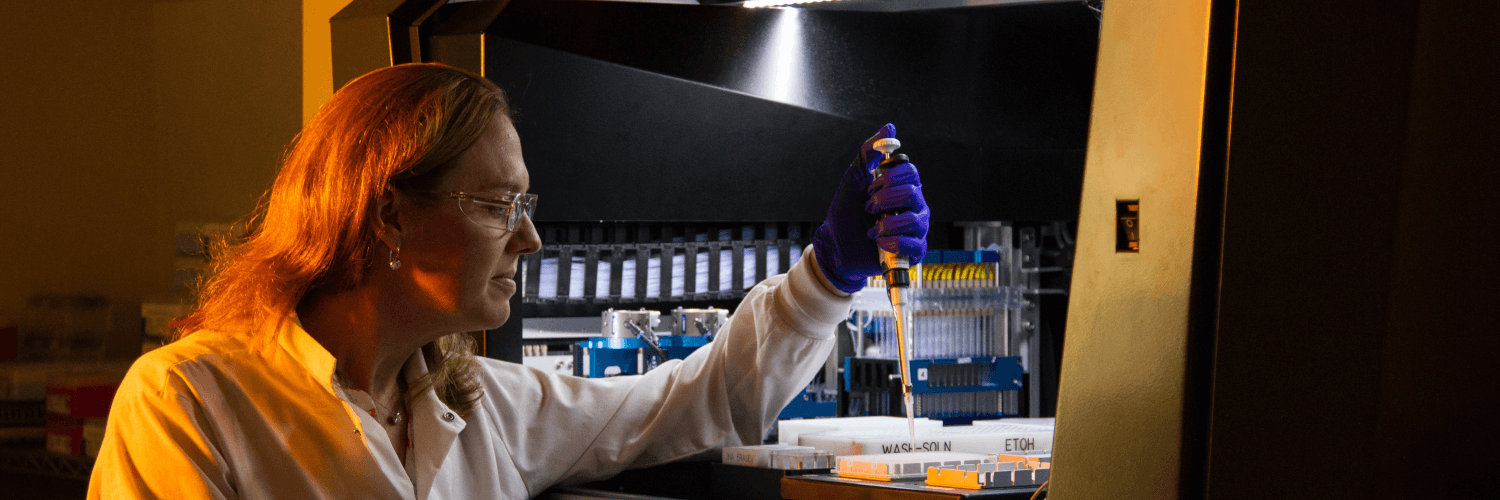
Natera is a genetic testing company that analyzes DNA from blood, saliva, or tissue samples to help doctors make medical decisions. Its main products are tests for prenatal screening, hereditary cancer risk, and transplant monitoring, along with tests that help guide care for people with certain cancers. The company sells these tests to hospitals, doctors, cancer centers, and specialty clinics, and it makes money when those tests are ordered and processed. The company’s business is built around running complex laboratory tests and turning genetic data into clear reports that physicians can use. In prenatal care, its tests help assess the risk of chromosomal conditions in a pregnancy. In oncology and hereditary disease, its tests can show whether a patient has inherited risk markers or whether cancer treatment may be working. In transplant care, its tests can help detect early signs that a transplanted organ may be under stress. What makes Natera different is that it sits in the middle of the healthcare value chain as both a lab operator and a specialist in clinical genetics. It does not just sell a device or a one-time product; it sells recurring testing services that depend on physician orders, insurance reimbursement, and medical need. That makes Natera more like a diagnostic service business than a traditional drug or medical device company.

Natera is a genetic testing company that analyzes DNA from blood, saliva, or tissue samples to help doctors make medical decisions. Its main products are tests for prenatal screening, hereditary cancer risk, and transplant monitoring, along with tests that help guide care for people with certain cancers. The company sells these tests to hospitals, doctors, cancer centers, and specialty clinics, and it makes money when those tests are ordered and processed.
The company’s business is built around running complex laboratory tests and turning genetic data into clear reports that physicians can use. In prenatal care, its tests help assess the risk of chromosomal conditions in a pregnancy. In oncology and hereditary disease, its tests can show whether a patient has inherited risk markers or whether cancer treatment may be working. In transplant care, its tests can help detect early signs that a transplanted organ may be under stress.
What makes Natera different is that it sits in the middle of the healthcare value chain as both a lab operator and a specialist in clinical genetics. It does not just sell a device or a one-time product; it sells recurring testing services that depend on physician orders, insurance reimbursement, and medical need. That makes Natera more like a diagnostic service business than a traditional drug or medical device company.
Revenue: Natera reported Q1 revenue of $697 million, up 39% year over year, and said the quarter was its first to deliver 1 million units in a single quarter.
Guidance: Management raised full-year revenue guidance by more than $120 million and increased gross margin guidance to 65% at the midpoint.
Women's health: Core women’s health was exceptionally strong, helped by the launch of Fetal Focus, which is now approaching a run rate of nearly 200,000 orders.
Oncology: Clinical oncology units reached 249,000, up 55% year over year, with Signatera ASPs rising to roughly $1,250 and record MRD volumes.
Margin setup: Gross margin came in just under 65%, but management said about 2 percentage points of pressure was temporary and tied to timing and work-in-process.
Growth drivers: Management highlighted better reimbursement, payer pricing gains, new clinical data, an expanding sales force, and strong adoption in both surveillance and new use cases.
Pipeline: The company said FIND CRC enrollment is ahead of plan and should finish in Q3 2026, while Japan approval remains on track for Q2 2026.
