

Boston Beer Company Inc
NYSE:SAM



Decide at what price you'd be comfortable buying and we'll help you stay ready.

|
Boston Beer Company Inc
NYSE:SAM
|
US |
|
X
|
X-Fab Silicon Foundries Europese Vennootschap
F:XFB
|
BE |

|
Springfield Properties PLC
LSE:SPR
|
UK |

|
Mitsui O.S.K. Lines Ltd
F:MIL
|
JP |
|
A
|
Amgen Inc
DUS:AMG
|
US |
|
B
|
Best Buy Co Inc
BMV:BBY
|
US |

|
Nedbank Group Ltd
OTC:NDBKY
|
ZA |
|
F
|
Fauji Fertilizer Company Ltd
KAR:FFC
|
PK |
|
G
|
Globant SA
F:2G2
|
LU |
|
S
|
Schroders PLC
F:PYXB
|
UK |
|
F
|
Fastenal Co
XMUN:FAS
|
US |
|
T
|
Transition Metals Corp
OTC:TNTMF
|
CA |

|
Asahi Co Ltd
TSE:3333
|
JP |
|
A
|
Ampeak Energy Ltd
OTC:SMAYF
|
UK |
|
S
|
Samil Enterprise Co Ltd
KOSDAQ:002290
|
KR |
Boston Beer Company Inc
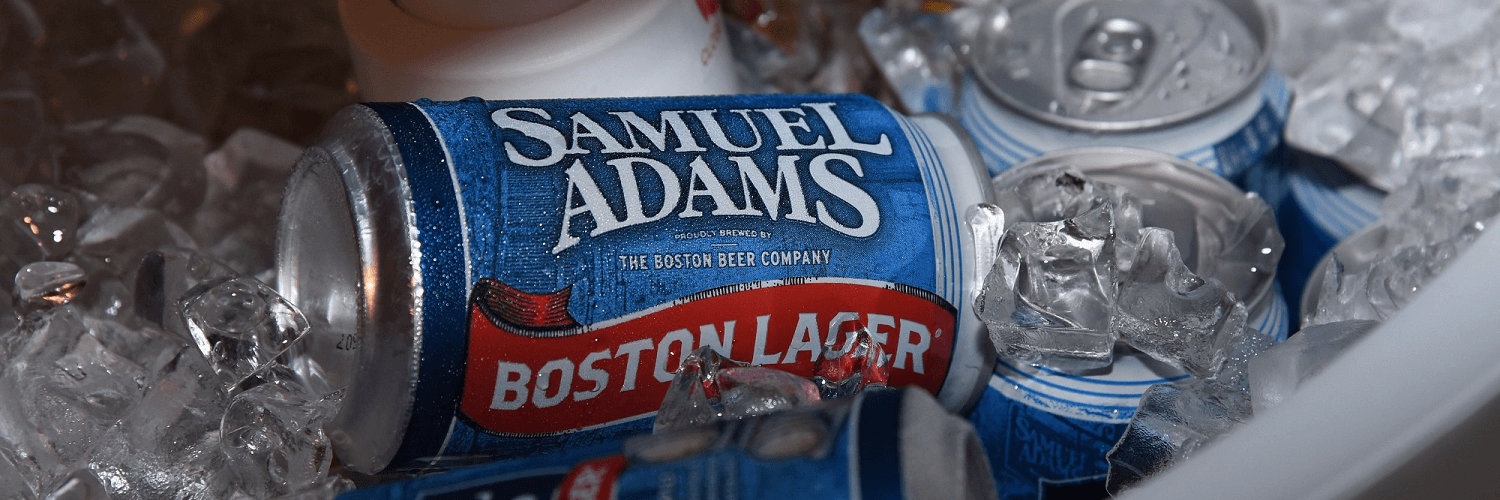
Boston Beer Company makes and sells alcoholic beverages, best known for Samuel Adams beer, Twisted Tea, Dogfish Head, and Angry Orchard cider. It also sells hard seltzers and other ready-to-drink beverages. The company earns money mainly by selling finished drinks to beer wholesalers, distributors, bars, restaurants, and retailers, who then sell them to consumers. Its business is different from a large brewery that focuses on one core beer. Boston Beer builds and manages a portfolio of brands that cover different tastes and occasions, from craft beer to flavored malt beverages, cider, and tea-based drinks. That gives it a broader reach in adult beverage aisles and on tap handles than a single-brand brewer. For beginner investors, the key idea is that Boston Beer sits in the middle of the beverage supply chain: it creates branded drinks, markets them to trade partners, and relies on distribution and consumer demand to move product. Its success depends on brand strength, shelf space, tap placements, and keeping its labels relevant as drinking preferences shift.

Boston Beer Company makes and sells alcoholic beverages, best known for Samuel Adams beer, Twisted Tea, Dogfish Head, and Angry Orchard cider. It also sells hard seltzers and other ready-to-drink beverages. The company earns money mainly by selling finished drinks to beer wholesalers, distributors, bars, restaurants, and retailers, who then sell them to consumers.
Its business is different from a large brewery that focuses on one core beer. Boston Beer builds and manages a portfolio of brands that cover different tastes and occasions, from craft beer to flavored malt beverages, cider, and tea-based drinks. That gives it a broader reach in adult beverage aisles and on tap handles than a single-brand brewer.
For beginner investors, the key idea is that Boston Beer sits in the middle of the beverage supply chain: it creates branded drinks, markets them to trade partners, and relies on distribution and consumer demand to move product. Its success depends on brand strength, shelf space, tap placements, and keeping its labels relevant as drinking preferences shift.
Top line: Boston Beer said second quarter depletions fell 6% and shipments fell 4.5%, with weakness in Twisted Tea, Truly, Samuel Adams, Hard Mountain Dew and Dogfish Head only partly offset by Sun Cruiser and Angry Orchard.
Margins: Gross margin improved to 50.4%, up 60 basis points year over year, helped by brewery efficiencies, mix, procurement savings and pricing, even as aluminum, energy, tariffs and freight remained headwinds.
Outlook: Management kept full-year volume guidance at down low single digits to down mid-single digits, raised the low end of gross margin guidance to 48.5% to 50%, and maintained non-GAAP EPS guidance of $8.50 to $10.50.
Advertising: The company cut planned incremental advertising by $20 million after pulling back on lower-performing media, mainly in Truly, while saying brand support remains well above historical levels.
Brand mix: Sun Cruiser remained a major bright spot with triple-digit depletion growth, while Twisted Tea and Truly continued to face share pressure; Angry Orchard kept growing for a fifth straight quarter.
Industry view: Management described a still-pressured beer market, with some improvement versus 2025 but continued consumer pressure from inflation, higher gas prices and weaker discretionary income.