

H & M Hennes & Mauritz AB
STO:HM B



Decide at what price you'd be comfortable buying and we'll help you stay ready.
|
H & M Hennes & Mauritz AB
STO:HM B
|
SE |

|
Gujarat Themis Biosyn Ltd
BSE:506879
|
IN |

|
Capsensixx AG
XETRA:CPX
|
DE |

|
Youngone Corp
KRX:111770
|
KR |

|
Honda India Power Products Ltd
NSE:HONDAPOWER
|
IN |
H & M Hennes & Mauritz AB
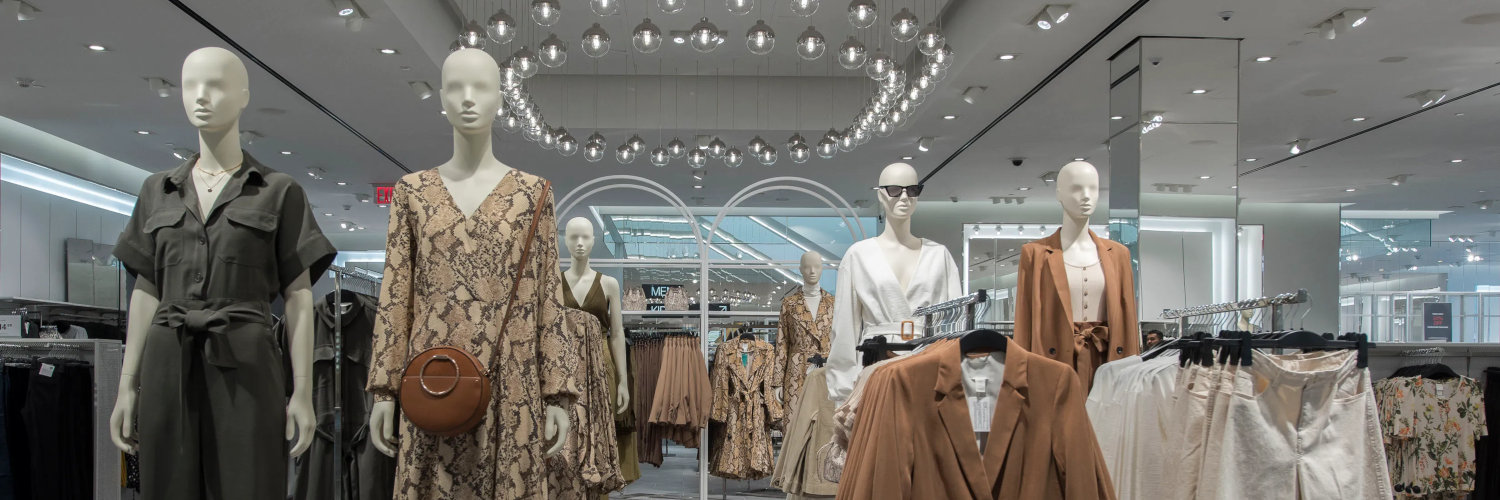
Once upon a time in 1947, in the idyllic town of Västerås, Sweden, H & M Hennes & Mauritz AB began its journey as a women’s clothing store, primarily known as "Hennes." The founder, Erling Persson, envisioned a retail experience that was not only affordable but stylishly attuned to the whims of fashion-forward consumers. Over the decades, this modest idea burgeoned into a sprawling global enterprise. What began as a singular focus on women's wear evolved into a diverse array of clothing under numerous brand names, catering to men, children, and even introducing home decor. H&M operates on a fast-fashion model; this method pivots on rapidly adapting runway styles into market-ready garments swiftly, thereby maintaining a high volume of collections per year. The essence of H&M's success lies in its highly efficient logistics and supply chain management. This allows the company to sustain affordability while consistently stocking up-to-date fashion trends.
The mechanisms driving H&M's profitability are deeply woven into its operational framework. At the core, the company harnesses economies of scale, leveraging its vast network of over 4,500 stores worldwide to negotiate favorable terms with suppliers, securing materials at competitive prices. In retail management, H&M deftly combines its physical and online presence, ensuring seamless accessibility for consumers. By utilizing data analytics, the company adeptly discerns consumer preferences, enabling it to tailor product offerings with precision. The company’s innovative marketing strategies—often tapping into collaborations with designers and influencers—amplify brand visibility and consumer engagement. Furthermore, its ongoing ventures into sustainability and eco-friendly initiatives reflect a commitment to future-oriented, conscientious business practices, aiming to appeal to increasingly environment-conscious consumers. This comprehensive approach is at the heart of how H&M continues to flourish in the competitive arena of global retail fashion.
Once upon a time in 1947, in the idyllic town of Västerås, Sweden, H & M Hennes & Mauritz AB began its journey as a women’s clothing store, primarily known as "Hennes." The founder, Erling Persson, envisioned a retail experience that was not only affordable but stylishly attuned to the whims of fashion-forward consumers. Over the decades, this modest idea burgeoned into a sprawling global enterprise. What began as a singular focus on women's wear evolved into a diverse array of clothing under numerous brand names, catering to men, children, and even introducing home decor. H&M operates on a fast-fashion model; this method pivots on rapidly adapting runway styles into market-ready garments swiftly, thereby maintaining a high volume of collections per year. The essence of H&M's success lies in its highly efficient logistics and supply chain management. This allows the company to sustain affordability while consistently stocking up-to-date fashion trends.
The mechanisms driving H&M's profitability are deeply woven into its operational framework. At the core, the company harnesses economies of scale, leveraging its vast network of over 4,500 stores worldwide to negotiate favorable terms with suppliers, securing materials at competitive prices. In retail management, H&M deftly combines its physical and online presence, ensuring seamless accessibility for consumers. By utilizing data analytics, the company adeptly discerns consumer preferences, enabling it to tailor product offerings with precision. The company’s innovative marketing strategies—often tapping into collaborations with designers and influencers—amplify brand visibility and consumer engagement. Furthermore, its ongoing ventures into sustainability and eco-friendly initiatives reflect a commitment to future-oriented, conscientious business practices, aiming to appeal to increasingly environment-conscious consumers. This comprehensive approach is at the heart of how H&M continues to flourish in the competitive arena of global retail fashion.
Sales Growth: H&M reported Q1 sales growth of 3% in Swedish krona and 2% in local currencies, with particular strength in Germany and Poland, but weaker performance in Northern Europe and the U.S.
Gross Margin Decline: Gross margin fell to 49.1%, negatively affected by external factors, higher markdowns, and investments in the customer offer, though management expects these negative effects to ease in coming quarters.
Operating Profit: Q1 operating profit was SEK 1.2 billion, a weaker result year-on-year, but cost control remained strong.
Inventory Increase: Inventory rose by 9% due to higher purchasing costs and longer transport lead times, but management stressed the inventory mix is healthy and well-positioned for spring and summer.
Digital & Womenswear Strength: Positive momentum continued in womenswear and online sales, with digital stores performing well and sportswear (H&M Move) also showing strong growth.
U.S. Market Challenges: The U.S. remains a key challenge, with sales down 7% last year, but efforts are underway to improve the offering and recover market share.
Guidance & Outlook: Management expects less pressure from external factors and markdowns in Q2 and positive effects from cost and supply chain initiatives in the second half of the year.
Brand Investments: Continued investments in product quality, brand, and customer experience are key strategic priorities, and further upgrades to stores and online platforms are planned for 2025.
