
Sumitomo Corp
SWB:SUMA



Decide at what price you'd be comfortable buying and we'll help you stay ready.
|
S
|
Sumitomo Corp
SWB:SUMA
|
JP |

|
SoftBank Group Corp
LSE:0L7L
|
JP |

|
Strikepoint Gold Inc
F:NK6
|
CA |

|
Sugal and Damani Share Brokers Ltd
BSE:511654
|
IN |
|
S
|
Spectrum Oil Corp
OTC:SPOC
|
US |

|
Odfjell Drilling Ltd
LSE:0QHX
|
BM |
|
SETO Holdings Inc
OTC:SETO
|
US |
|
C
|
Cirrus Logic Inc
F:CRU
|
US |
Sumitomo Corp
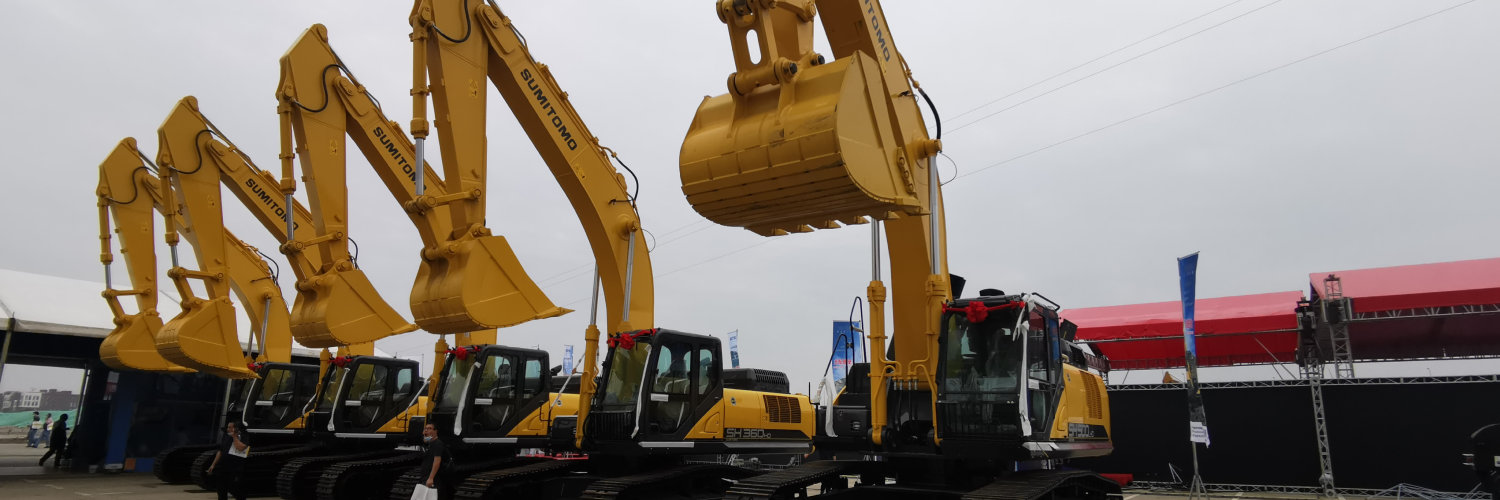
Sumitomo Corp is one of Japan’s large general trading companies, often called a sogo shosha. It buys, sells, and connects businesses across a wide range of industries, including metals, machinery, energy, chemicals, food, and consumer products. In practice, it does more than simple trading: it also arranges supply chains, takes equity stakes in businesses, and helps projects get financed and executed. Its customers are industrial companies, manufacturers, utilities, retailers, resource producers, and other businesses that need goods, materials, or project support across borders. Sumitomo makes money through trading margins, logistics and service fees, financing-related income, and returns from the companies and projects it owns part of. That mix gives it several ways to earn from the movement of goods, capital, and expertise. What makes the business model different is its role as a connector in the value chain rather than a pure producer or retailer. Sumitomo can source commodities, handle distribution, structure deals, and hold long-term investments in the same areas, which helps it build relationships and manage complex international commerce. For beginner investors, it is best understood as a diversified business facilitator with deep ties to global trade and real-world assets.

Sumitomo Corp is one of Japan’s large general trading companies, often called a sogo shosha. It buys, sells, and connects businesses across a wide range of industries, including metals, machinery, energy, chemicals, food, and consumer products. In practice, it does more than simple trading: it also arranges supply chains, takes equity stakes in businesses, and helps projects get financed and executed.
Its customers are industrial companies, manufacturers, utilities, retailers, resource producers, and other businesses that need goods, materials, or project support across borders. Sumitomo makes money through trading margins, logistics and service fees, financing-related income, and returns from the companies and projects it owns part of. That mix gives it several ways to earn from the movement of goods, capital, and expertise.
What makes the business model different is its role as a connector in the value chain rather than a pure producer or retailer. Sumitomo can source commodities, handle distribution, structure deals, and hold long-term investments in the same areas, which helps it build relationships and manage complex international commerce. For beginner investors, it is best understood as a diversified business facilitator with deep ties to global trade and real-world assets.