
Airbus SE
XBER:AIRA



Decide at what price you'd be comfortable buying and we'll help you stay ready.
|
A
|
Airbus SE
XBER:AIRA
|
NL |
|
C
|
Compagnie d'entreprises CFE SA
LSE:0O2T
|
BE |
|
N
|
NN Group NV
OTC:NNGPF
|
NL |

|
Sany Heavy Equipment International Holdings Company Ltd
HKEX:631
|
CN |
|
U
|
Unicharm Corp
SWB:UN4
|
JP |
|
U
|
UniCredit SpA
XETRA:CRIN
|
IT |
Airbus SE





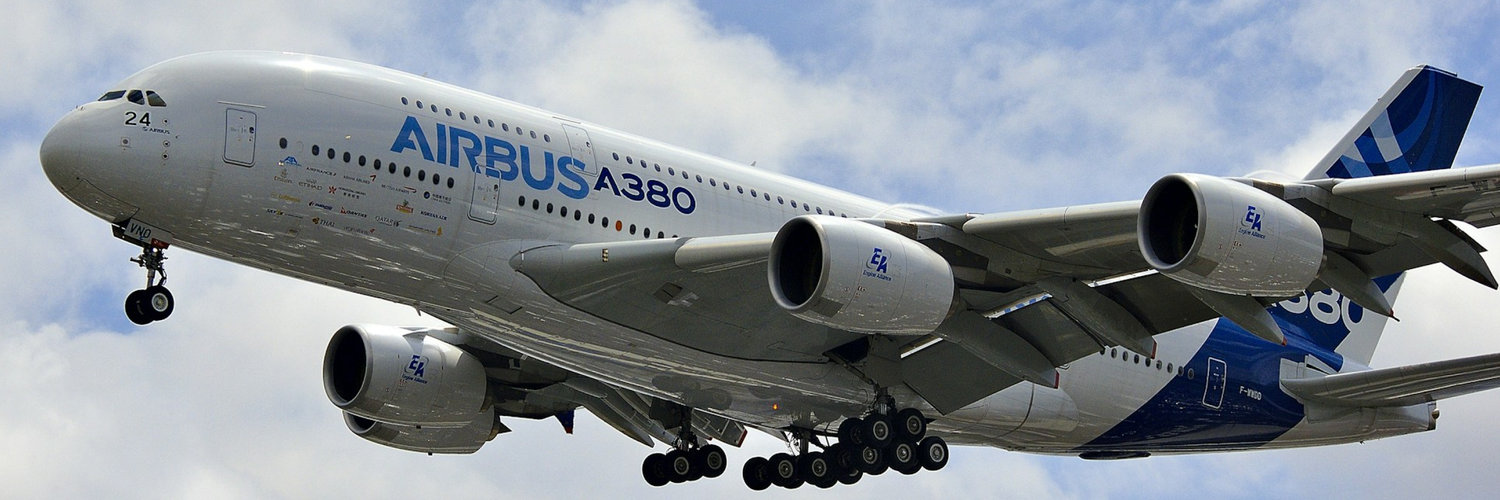
Airbus SE designs and builds commercial passenger jets, military aircraft, helicopters, and space systems. Its best-known business is selling airliners to airlines and leasing companies, but it also supplies defense customers with transport planes, surveillance aircraft, and other military platforms, plus helicopters for civil and defense use. In space, it makes satellites, launch-related systems, and other equipment for governments and institutional customers. Airbus makes money mainly by delivering aircraft and related systems, then supporting them with spare parts, maintenance, upgrades, training, and engineering services. Airlines buy Airbus jets to carry passengers, while governments and defense agencies buy its military and space products for transport, security, communications, and national programs. That mix gives Airbus a long service relationship after the original sale, which helps make the business less dependent on one-time equipment orders. What sets Airbus apart is that it sits near the center of the aerospace value chain: it is not just an aircraft maker, but a long-term supplier of complex equipment that must be certified, supported, and maintained for many years. Its business depends on deep engineering, strict regulation, and large development programs that are hard for new entrants to replicate. This makes Airbus a core industrial company in global aviation, defense, and space rather than a simple manufacturer of finished goods.
Airbus SE designs and builds commercial passenger jets, military aircraft, helicopters, and space systems. Its best-known business is selling airliners to airlines and leasing companies, but it also supplies defense customers with transport planes, surveillance aircraft, and other military platforms, plus helicopters for civil and defense use. In space, it makes satellites, launch-related systems, and other equipment for governments and institutional customers.
Airbus makes money mainly by delivering aircraft and related systems, then supporting them with spare parts, maintenance, upgrades, training, and engineering services. Airlines buy Airbus jets to carry passengers, while governments and defense agencies buy its military and space products for transport, security, communications, and national programs. That mix gives Airbus a long service relationship after the original sale, which helps make the business less dependent on one-time equipment orders.
What sets Airbus apart is that it sits near the center of the aerospace value chain: it is not just an aircraft maker, but a long-term supplier of complex equipment that must be certified, supported, and maintained for many years. Its business depends on deep engineering, strict regulation, and large development programs that are hard for new entrants to replicate. This makes Airbus a core industrial company in global aviation, defense, and space rather than a simple manufacturer of finished goods.
Performance: Airbus posted Q1 revenue of EUR 12.7 billion, down 7% year on year, as lower commercial aircraft deliveries and a weaker U.S. dollar outweighed a stronger Defence & Space contribution.
Deliveries: The company delivered 114 commercial aircraft in the quarter, a low level tied to delivery timing issues, panel rework, and a shortage of Pratt & Whitney engines.
Guidance: Full-year 2026 guidance was left unchanged at around 870 commercial aircraft deliveries, EUR 7.5 billion of adjusted EBIT, and EUR 4.5 billion of free cash flow before customer financing.
Cash Flow: Free cash flow before customer financing was minus EUR 2.5 billion in Q1, but management said Q2 should be positive as inventory is released and the China delivery delay unwinds.
Defense Momentum: Defence & Space had a very strong quarter, with EUR 5 billion of order intake and improved profitability, driven mainly by organic growth in air power.
Engine Issue: Management said the Pratt & Whitney engine shortage is unchanged versus the last call and remains a key constraint on the A320 ramp into 2026 and 2027, though the engine delivery number for this year is not under dispute.
Management
Dr. Thomas Toepfer is a notable executive with an extensive background in finance and leadership roles across various industries. He joined Airbus SE as the Chief Financial Officer (CFO) in 2023. Before his role at Airbus, Dr. Toepfer was the CFO and member of the Executive Board at Covestro, a leading polymer company, where he played a crucial role in the company’s financial strategies and performance. He holds a Ph.D. in Business Administration and Economics, demonstrating his strong academic background, and has accumulated significant experience in key leadership positions throughout his career. His expertise includes financial management, strategic planning, and organizational restructuring, which have been instrumental in driving growth and efficiency in multinational corporations. Dr. Toepfer’s career began in various finance-related roles, including positions at companies like Bayer and KION Group, where he honed his skills in financial oversight and strategic corporate development. At Airbus, he is responsible for overseeing the financial operations and ensuring the company's fiscal health, contributing to its global strategic objectives. His leadership is marked by a focus on innovation, sustainability, and digital transformation, aligning with Airbus's goals of advancing in these critical areas. His experience and strategic acumen continue to make a significant impact on Airbus's operational and financial outcomes.
He holds a Ph.D. in Business Administration and Economics, demonstrating his strong academic background, and has accumulated significant experience in key leadership positions throughout his career. His expertise includes financial management, strategic planning, and organizational restructuring, which have been instrumental in driving growth and efficiency in multinational corporations.
Dr. Toepfer’s career began in various finance-related roles, including positions at companies like Bayer and KION Group, where he honed his skills in financial oversight and strategic corporate development. At Airbus, he is responsible for overseeing the financial operations and ensuring the company's fiscal health, contributing to its global strategic objectives.
His leadership is marked by a focus on innovation, sustainability, and digital transformation, aligning with Airbus's goals of advancing in these critical areas. His experience and strategic acumen continue to make a significant impact on Airbus's operational and financial outcomes.
Sabine Klauke is the Chief Technology Officer (CTO) at Airbus SE, a leading aerospace corporation. In her role as CTO, she is responsible for guiding the company's technology and innovation strategies, focusing on sustainable aerospace technologies. Klauke's expertise plays a critical part in advancing Airbus’s objectives in areas such as decarbonizing the industry and developing zero-emission aircraft. Before becoming CTO, Klauke held various significant positions within Airbus, showcasing her leadership and engineering prowess. She has a strong academic background, including a degree in Mechanical Engineering and a Ph.D. in Engineering, both of which have provided her with a solid foundation for her roles in the aerospace sector. Throughout her career at Airbus, Klauke has demonstrated a commitment to fostering technological advancements and has been involved in a variety of initiatives to promote innovation and environmental sustainability in aviation. Her leadership continues to be instrumental in driving Airbus's success and its contributions to the future of the aerospace industry.
Before becoming CTO, Klauke held various significant positions within Airbus, showcasing her leadership and engineering prowess. She has a strong academic background, including a degree in Mechanical Engineering and a Ph.D. in Engineering, both of which have provided her with a solid foundation for her roles in the aerospace sector.
Throughout her career at Airbus, Klauke has demonstrated a commitment to fostering technological advancements and has been involved in a variety of initiatives to promote innovation and environmental sustainability in aviation. Her leadership continues to be instrumental in driving Airbus's success and its contributions to the future of the aerospace industry.
Catherine Jestin is an executive at Airbus SE, serving as the Executive Vice President of Digital and Information Management. In this role, she is responsible for driving the digital transformation across the company to enhance Airbus’s industrial operations, products, and services. Jestin focuses on leveraging digital tools, data analytics, and information management to foster innovation and improve efficiency within Airbus. Before joining Airbus, Catherine Jestin held significant positions in various industries, specializing in digital strategies and information technology. Her leadership is characterized by a commitment to empowering teams and creating value through technology-driven solutions. Her experience in digital transformation and IT makes her a pivotal leader in steering Airbus through its technological evolution.
Before joining Airbus, Catherine Jestin held significant positions in various industries, specializing in digital strategies and information technology. Her leadership is characterized by a commitment to empowering teams and creating value through technology-driven solutions. Her experience in digital transformation and IT makes her a pivotal leader in steering Airbus through its technological evolution.
John Harrison served as the General Counsel of Airbus SE. In this role, he was responsible for overseeing the company's legal affairs and compliance programs. Harrison joined Airbus in June 2015, bringing with him extensive experience in managing legal and compliance matters on a global scale. Before his tenure at Airbus, he held key legal positions in multinational companies and was known for his strategic approach to navigating complex legal landscapes. His leadership contributed significantly to Airbus's efforts in maintaining robust legal frameworks and ensuring regulatory compliance.
Julie Kitcher is a prominent executive at Airbus SE, where she has held key leadership roles. As the Executive Vice President of Communications and Corporate Affairs, she has been a vital part of Airbus's management team. She is responsible for the company's global communication strategies, ensuring that Airbus maintains a strong and positive reputation worldwide. Julie joined Airbus in 2000 and has since built an extensive career within the company, gaining significant experience across various roles before stepping into her executive position. Her expertise encompasses investor relations, financial communication, and media relations, reflecting her comprehensive understanding of both the aerospace industry and corporate communication. In her current role, Julie is also responsible for corporate affairs, which includes overseeing public policy and company-wide initiatives related to sustainability and corporate social responsibility. Her leadership has been instrumental in advancing Airbus’s commitment to transparency and stakeholder engagement. Julie Kitcher is widely recognized for her strategic vision and her ability to effectively communicate complex business strategies to diverse audiences. Her contributions have significantly shaped Airbus’s public image and its approach to global communication challenges.
Julie joined Airbus in 2000 and has since built an extensive career within the company, gaining significant experience across various roles before stepping into her executive position. Her expertise encompasses investor relations, financial communication, and media relations, reflecting her comprehensive understanding of both the aerospace industry and corporate communication.
In her current role, Julie is also responsible for corporate affairs, which includes overseeing public policy and company-wide initiatives related to sustainability and corporate social responsibility. Her leadership has been instrumental in advancing Airbus’s commitment to transparency and stakeholder engagement.
Julie Kitcher is widely recognized for her strategic vision and her ability to effectively communicate complex business strategies to diverse audiences. Her contributions have significantly shaped Airbus’s public image and its approach to global communication challenges.

Thierry Baril is a prominent executive known for his role at Airbus SE, where he serves as the Chief Human Resources Officer (CHRO). He joined Airbus in 2007 and has played a crucial role in managing and developing the company's workforce across various global locations. Baril has a strong background in human resources and management, bringing significant experience to Airbus. Before joining Airbus, he held several key HR positions, including at Eurocopter, which is also part of the Airbus Group. His leadership in HR has been instrumental in fostering a culture of innovation and efficiency within the company. He holds a Master’s degree in Business Administration and has cultivated a reputation for his strategic approach to human resource management. His career is distinguished by a focus on talent development, organizational transformation, and enhancing employee engagement, all of which have been critical to supporting Airbus's growth and competitiveness in the aerospace industry. Baril’s work supports Airbus's goal of being a top employer in the aerospace sector, attracting and retaining top talent worldwide.
Baril has a strong background in human resources and management, bringing significant experience to Airbus. Before joining Airbus, he held several key HR positions, including at Eurocopter, which is also part of the Airbus Group. His leadership in HR has been instrumental in fostering a culture of innovation and efficiency within the company.
He holds a Master’s degree in Business Administration and has cultivated a reputation for his strategic approach to human resource management. His career is distinguished by a focus on talent development, organizational transformation, and enhancing employee engagement, all of which have been critical to supporting Airbus's growth and competitiveness in the aerospace industry. Baril’s work supports Airbus's goal of being a top employer in the aerospace sector, attracting and retaining top talent worldwide.

Didier Lux is a prominent figure in the aerospace industry, known for his significant contributions during his time with Airbus SE. He held various leadership positions, primarily focused on customer services, helping to forge vital relationships between Airbus and its clients. With a strong background in engineering and customer support, Lux was instrumental in enhancing Airbus's service capabilities and ensuring that the company met the evolving needs of its airline customers. His leadership style and strategic vision helped Airbus maintain a competitive edge in the global aerospace market, fostering innovation and improving customer satisfaction. His work ensured that Airbus's commitment to quality and reliability translated into strong, lasting partnerships across the aviation sector.
Geneviève Laurens-Chassagne is a notable executive known for her role within Airbus SE. She has held significant positions in the company, contributing to its financial and strategic direction. As the Head of Investor Relations at Airbus, Laurens-Chassagne played a crucial role in managing the company's relationships with investors and the financial community, ensuring clear communication about Airbus's financial health, strategic initiatives, and market outlook. Her expertise in finance and investor relations has been pivotal in fostering investor confidence and supporting Airbus's growth objectives. Laurens-Chassagne's career reflects her strong background in finance and corporate communications, making her a key figure in aligning investor interests with the company's goals.

Philippe Mhun is a senior executive at Airbus SE, the European multinational aerospace corporation. He serves as the Chief Programs & Services Officer, a position that plays a crucial role in overseeing the company’s commercial aircraft programs and services. Mhun is responsible for managing the lifecycle of Airbus's products, ensuring they meet customer expectations and maintaining efficient service operations. His career at Airbus has been marked by extensive experience in both engineering and customer service, which equips him with a deep understanding of the technical and commercial aspects of aerospace operations. Before his current role, Mhun held various significant positions within Airbus, contributing to the company's strategic focus on innovation and customer satisfaction. Philippe Mhun's expertise in engineering and program management has been instrumental in navigating the complexities of aircraft production and service delivery. He is known for his leadership skills and his ability to implement strategies that enhance operational efficiency and foster customer loyalty. His contributions are vital to Airbus's mission of maintaining its position as a leader in the aerospace industry.
His career at Airbus has been marked by extensive experience in both engineering and customer service, which equips him with a deep understanding of the technical and commercial aspects of aerospace operations. Before his current role, Mhun held various significant positions within Airbus, contributing to the company's strategic focus on innovation and customer satisfaction.
Philippe Mhun's expertise in engineering and program management has been instrumental in navigating the complexities of aircraft production and service delivery. He is known for his leadership skills and his ability to implement strategies that enhance operational efficiency and foster customer loyalty. His contributions are vital to Airbus's mission of maintaining its position as a leader in the aerospace industry.

Johan Pelissier is a notable executive at Airbus SE, particularly known for his role within Airbus Defence and Space. With a career spanning over two decades in the aerospace and defense industry, Pelissier has held various leadership positions that have significantly contributed to the company's operations and strategic direction. As an influential leader in Airbus's global team, he has been involved in the advancement of satellite communications, data services, and innovative aerospace solutions. His educational background in engineering and business management has supported his expertise in navigating complex projects and fostering partnerships across the aerospace sector. Pelissier is recognized for his leadership in promoting cutting-edge technology solutions and driving the development of sustainable and efficient aerospace systems. Throughout his career at Airbus, he has demonstrated an ability to adapt to industry changes and steer the company towards new growth opportunities in the competitive defense and space markets.
His educational background in engineering and business management has supported his expertise in navigating complex projects and fostering partnerships across the aerospace sector. Pelissier is recognized for his leadership in promoting cutting-edge technology solutions and driving the development of sustainable and efficient aerospace systems. Throughout his career at Airbus, he has demonstrated an ability to adapt to industry changes and steer the company towards new growth opportunities in the competitive defense and space markets.
