
B&G Foods Inc
XMUN:DHR



Decide at what price you'd be comfortable buying and we'll help you stay ready.
|
B
|
B&G Foods Inc
XMUN:DHR
|
US |

|
Arrow Exploration Corp
XTSX:AXL
|
CA |
|
B
|
Borussia Dortmund GmbH & Co KGaA
XHAM:BVB
|
DE |
|
W
|
Weir Group PLC
OTC:WEGRY
|
UK |
|
R
|
Rockland Resources Ltd
OTC:BERLF
|
CA |

|
Furukawa Co Ltd
OTC:FKWAF
|
JP |
|
E
|
European Metals Holdings Ltd
SWB:E861
|
AU |

|
Investar Holding Corp
F:7ZH
|
US |
|
R
|
Reko International Group Inc
F:0VL
|
CA |
|
Furuno Electric Co Ltd
OTC:FNOEF
|
JP |
|
K
|
Kure Technologies Inc
OTC:UBSBF
|
CA |

|
Sinopec Shanghai Petrochemical Co Ltd
HKEX:338
|
CN |
|
V
|
Victoria PLC
OTC:VCCTF
|
UK |
|
U
|
Urogen Pharma Ltd
F:UR8
|
IL |

|
NiCAN Ltd
F:W8Y
|
CA |

|
Sinopec Shanghai Petrochemical Co Ltd
F:SGJH
|
CN |
|
B
|
Beijing Enterprises Holdings Ltd
OTC:BJINF
|
HK |
B&G Foods Inc
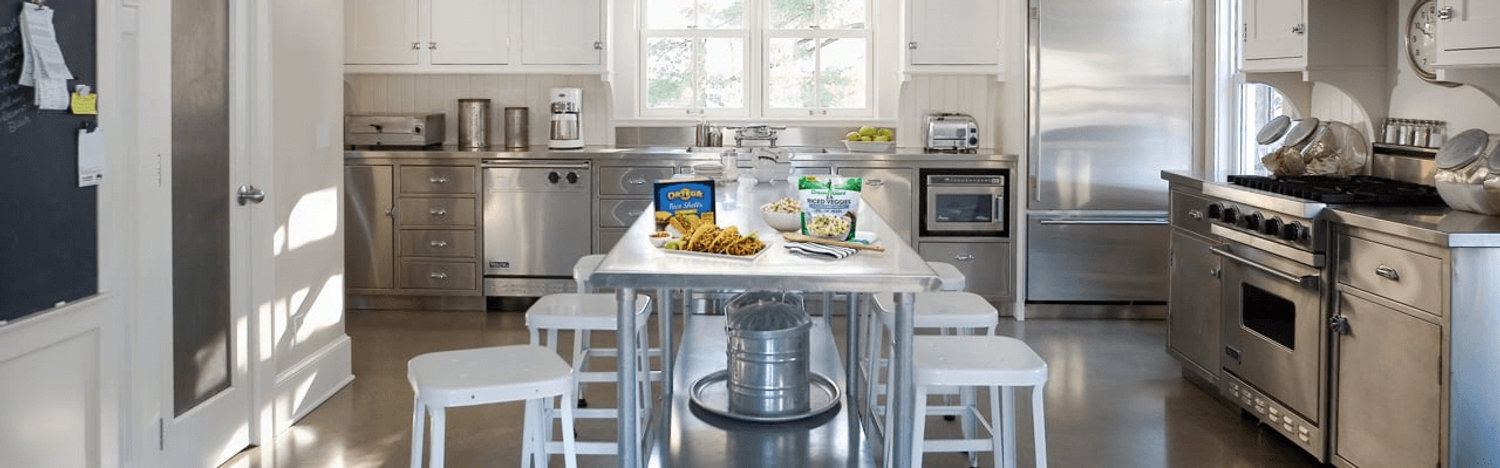
B&G Foods makes and sells shelf-stable packaged foods that many shoppers keep in the pantry, such as spices, sauces, pickles, hot cereals, snacks, and frozen or canned items. Its products are sold under a collection of well-known brand names through grocery stores, mass merchandisers, club stores, and other food retailers. The company earns money by manufacturing or sourcing these branded foods and selling them into retail and foodservice channels. The business sits in the middle of the food supply chain: it owns brands, packages finished products, and relies on retailers to put those items in front of consumers. Its customers are mainly supermarkets, wholesale distributors, and foodservice buyers, not individual shoppers directly. That means B&G Foods competes on brand recognition, shelf space, and dependable supply rather than on restaurant-style service or custom production. What makes the model different is its focus on buying, managing, and extending older packaged-food brands that already have loyal buyers. Instead of building one giant product line from scratch, it grows through a portfolio of everyday pantry staples that can be produced and distributed at scale. This gives the company a straightforward revenue model tied to repeat purchases of familiar grocery items.
B&G Foods makes and sells shelf-stable packaged foods that many shoppers keep in the pantry, such as spices, sauces, pickles, hot cereals, snacks, and frozen or canned items. Its products are sold under a collection of well-known brand names through grocery stores, mass merchandisers, club stores, and other food retailers. The company earns money by manufacturing or sourcing these branded foods and selling them into retail and foodservice channels.
The business sits in the middle of the food supply chain: it owns brands, packages finished products, and relies on retailers to put those items in front of consumers. Its customers are mainly supermarkets, wholesale distributors, and foodservice buyers, not individual shoppers directly. That means B&G Foods competes on brand recognition, shelf space, and dependable supply rather than on restaurant-style service or custom production.
What makes the model different is its focus on buying, managing, and extending older packaged-food brands that already have loyal buyers. Instead of building one giant product line from scratch, it grows through a portfolio of everyday pantry staples that can be produced and distributed at scale. This gives the company a straightforward revenue model tied to repeat purchases of familiar grocery items.
Results: B&G Foods reported second-quarter net sales of $383.3 million, down from $424.4 million a year ago, but still grew adjusted EBITDA to $60.4 million from $58.0 million.
Guidance: Management reaffirmed full-year 2026 guidance for net sales, adjusted EBITDA and adjusted diluted EPS, saying year-to-date performance is on pace.
Portfolio shift: The company said its divestitures of lower-margin businesses and the acquisition of College Inn and Kitchen Basics are improving the portfolio mix and margins.
CEO change: Management highlighted the appointment of Rob Mills as CEO, emphasizing his operating experience, board familiarity and background in digital, data and AI.
Inflation watch: The biggest inflation pressure remains vegetable oil, with some spice inflation as well; management expects to cover inflation where it can.
Cash flow and costs: SG&A fell meaningfully, and management said additional cost reductions should continue into early third quarter before reaching a run rate.