

Edison International
XMUN:EIX



Decide at what price you'd be comfortable buying and we'll help you stay ready.
|
E
|
Edison International
XMUN:EIX
|
US |

|
AO World PLC
LSE:AO
|
UK |
|
G
|
Goodbridge Capital Corp
XTSX:IDEX
|
CA |
|
Himax Technologies Inc
NASDAQ:HIMX
|
TW |

|
CK Asset Holdings Ltd
HKEX:1113
|
HK |
|
R
|
Remgro Ltd
JSE:REM
|
ZA |
|
S
|
Skyworks Solutions Inc
F:AWM
|
US |
|
C
|
Check Point Software Technologies Ltd
SWB:CPW
|
IL |
|
V
|
Veidekke ASA
OSE:VEI
|
NO |
Edison International
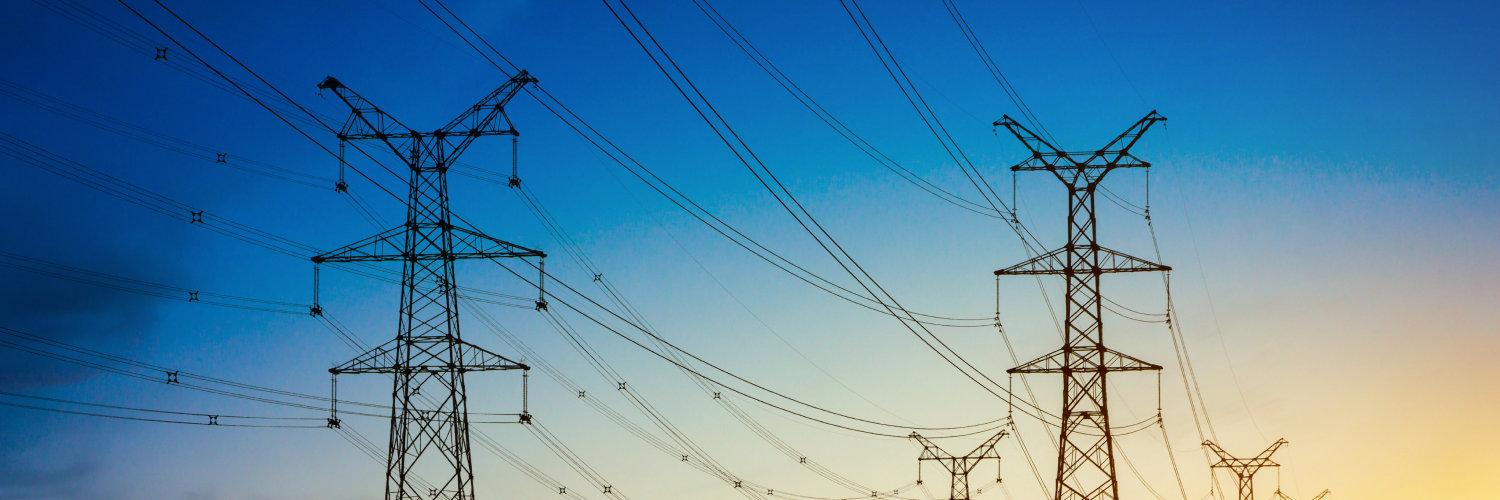
Edison International is the holding company for Southern California Edison, one of the largest electric utilities in the United States. Its core job is to deliver electricity to homes, businesses, and industrial customers across much of Southern California, using a network of power lines, substations, and other grid equipment. It also buys and manages the power needed to serve customers, but the customer-facing business is mainly about keeping electricity flowing reliably. The company makes money through regulated electric rates set by public regulators. Customers do not shop for Southern California Edison the way they might shop for a retail product; instead, the utility earns allowed returns on the wires, poles, and grid assets it builds and maintains. That makes the business model more like a regulated infrastructure company than a competitive seller of electricity. What makes Edison International different is that its earnings depend heavily on the size, safety, and reliability of the electric system it operates, and on how regulators treat those investments. Its main customers are ratepayers within its service area, while its main counterparties are state and federal regulators that approve how much it can charge and what costs it can recover. This gives the company a stable but tightly controlled role in the power value chain: moving electricity from the grid to end users rather than competing to sell power in an open market.

Edison International is the holding company for Southern California Edison, one of the largest electric utilities in the United States. Its core job is to deliver electricity to homes, businesses, and industrial customers across much of Southern California, using a network of power lines, substations, and other grid equipment. It also buys and manages the power needed to serve customers, but the customer-facing business is mainly about keeping electricity flowing reliably.
The company makes money through regulated electric rates set by public regulators. Customers do not shop for Southern California Edison the way they might shop for a retail product; instead, the utility earns allowed returns on the wires, poles, and grid assets it builds and maintains. That makes the business model more like a regulated infrastructure company than a competitive seller of electricity.
What makes Edison International different is that its earnings depend heavily on the size, safety, and reliability of the electric system it operates, and on how regulators treat those investments. Its main customers are ratepayers within its service area, while its main counterparties are state and federal regulators that approve how much it can charge and what costs it can recover. This gives the company a stable but tightly controlled role in the power value chain: moving electricity from the grid to end users rather than competing to sell power in an open market.
EPS: Edison International reported second quarter core EPS of $1.54, up from $0.97 a year ago, and year-to-date core EPS of $2.97.
Guidance: Management reaffirmed full-year 2026 core EPS guidance of $5.90 to $6.20 and kept long-term core EPS growth at 5% to 7%.
Wildfire reform: The company said it is still waiting on the California legislature and stressed that the final outcome could affect future investment plans, financing costs and customer affordability.
Capital plan: SCE’s capital program remains on track, with long-term rate base growth of about 7% and no equity need expected through 2030 under current assumptions.
Wildfire recovery: Edison said it has extended more than 2,200 WRCP offers totaling over $775 million and is crossing the $1 billion threshold when combined with subrogation settlements.
Financing: SCE completed the Woolsey Fire cost recovery securitization this week, generating approximately $2 billion in proceeds, which will help recover claims and retire related debt.
Operational focus: Management highlighted heavier use of data, analytics and AI to improve wildfire mitigation, grid planning, permitting and design work, with expected productivity gains in key processes.
