

FirstEnergy Corp
XMUN:FE7



Decide at what price you'd be comfortable buying and we'll help you stay ready.
|
F
|
FirstEnergy Corp
XMUN:FE7
|
US |
|
X
|
Xinjiang Yilite Industry Co Ltd
SSE:600197
|
CN |
|
A
|
AnnJi Pharmaceutical Co Ltd
TPEX:7754
|
TW |

|
Multipolar Tbk PT
F:MLQ2
|
ID |
|
K
|
Kyowa Kirin Co Ltd
SWB:KY4
|
JP |

|
Docebo Inc
TSX:DCBO
|
CA |

|
Tasty Concepts Holding Ltd
HKEX:8096
|
HK |

|
Apollo Global Management Inc
NYSE:APO
|
US |
|
K
|
Keyence Corp
F:KEE
|
JP |
|
R
|
Rex Trueform Group Ltd
JSE:RTN
|
ZA |
|
E
|
Emerita Resources Corp
SWB:LLJA
|
CA |
|
A
|
Ali Asghar Textile Mills Ltd
KAR:AATM
|
PK |

|
InterCloud Systems Inc
OTC:ICLD
|
US |

|
TORIDOLL Holdings Corp
TSE:3397
|
JP |
|
U
|
United Rentals Inc
XMUN:UR3
|
US |
|
I
|
Info-Tech Systems Ltd
SGX:ITS
|
SG |
|
P
|
Persimmon PLC
DUS:OHP
|
UK |
|
D
|
Dgb Asia Bhd
KLSE:DGB
|
MY |
|
S
|
Sandoz Group AG
SIX:SDZ
|
CH |
|
C
|
Cathay Chemical Works Inc
TWSE:1713
|
TW |

|
Concord Medical Services Holdings Ltd
NYSE:CCM
|
CN |
|
A
|
Advance Auto Parts Inc
SWB:AWN
|
US |

|
Mid-America Apartment Communities Inc
NYSE:MAA
|
US |
|
Mitsubishi Heavy Industries Ltd
TSE:7011
|
JP |
FirstEnergy Corp
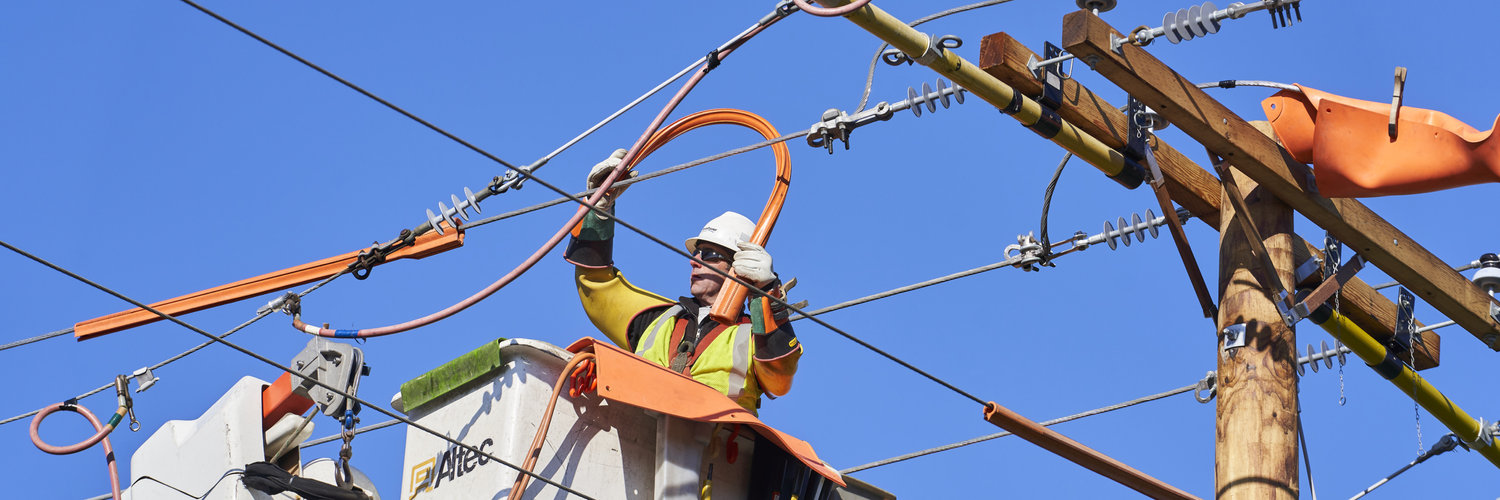
FirstEnergy Corp. is a regulated electric utility company. It does not make consumer products; it owns the power lines, substations, and related equipment that move electricity from the grid to homes and businesses in parts of the Midwest and Mid-Atlantic. Its main job is to keep electricity flowing safely and reliably to retail and industrial customers. The company makes most of its money by delivering electricity under rates set by state regulators. Customers pay monthly bills for distribution and, in some areas, transmission service rather than FirstEnergy selling power like a merchant generator. That makes the business more like a utility toll road: it earns revenue for maintaining and operating essential electric infrastructure. What sets FirstEnergy apart is its role in the electric value chain. It sits between power generators and end users, focusing on the poles, wires, and grid operations that every customer needs. Because these services are essential and heavily regulated, the business tends to be driven by long-term utility rules, infrastructure spending, and the need to keep the grid dependable.

FirstEnergy Corp. is a regulated electric utility company. It does not make consumer products; it owns the power lines, substations, and related equipment that move electricity from the grid to homes and businesses in parts of the Midwest and Mid-Atlantic. Its main job is to keep electricity flowing safely and reliably to retail and industrial customers.
The company makes most of its money by delivering electricity under rates set by state regulators. Customers pay monthly bills for distribution and, in some areas, transmission service rather than FirstEnergy selling power like a merchant generator. That makes the business more like a utility toll road: it earns revenue for maintaining and operating essential electric infrastructure.
What sets FirstEnergy apart is its role in the electric value chain. It sits between power generators and end users, focusing on the poles, wires, and grid operations that every customer needs. Because these services are essential and heavily regulated, the business tends to be driven by long-term utility rules, infrastructure spending, and the need to keep the grid dependable.
Guidance reaffirmed: FirstEnergy reaffirmed its 2026 capital plan of $6 billion and core earnings guidance of $2.62 to $2.82 per share, while also backing its $36 billion five-year plan and 6% to 8% earnings growth target through 2030.
Data center surge: Forecasted data center demand rose 30% since Q1 to about 25 gigawatts, with 6.4 gigawatts now contracted and another 1.5 gigawatts expected to sign in the next couple of weeks.
West Virginia upside: Management said West Virginia is the clearest near-term growth opportunity, with 4.3 gigawatts of contracted and pipeline demand there and progress on the 1.2 gigawatt Maidsville Energy Center.
Regulatory progress: The company described its West Virginia, Ohio, New Jersey and Maryland regulatory efforts as constructive, and said New Jersey filing plans remain on track despite broader policy uncertainty.
Financial performance: Q2 core earnings were $0.50 per share, down from $0.52 a year ago but in line with plan, while year-to-date core earnings were $1.22 per share versus $1.19 last year.
Capital intensity: FirstEnergy deployed $2.9 billion of its 2026 capital plan in the first half, up 19% versus 2025, and said incremental data center and generation opportunities could add to the current plan.