
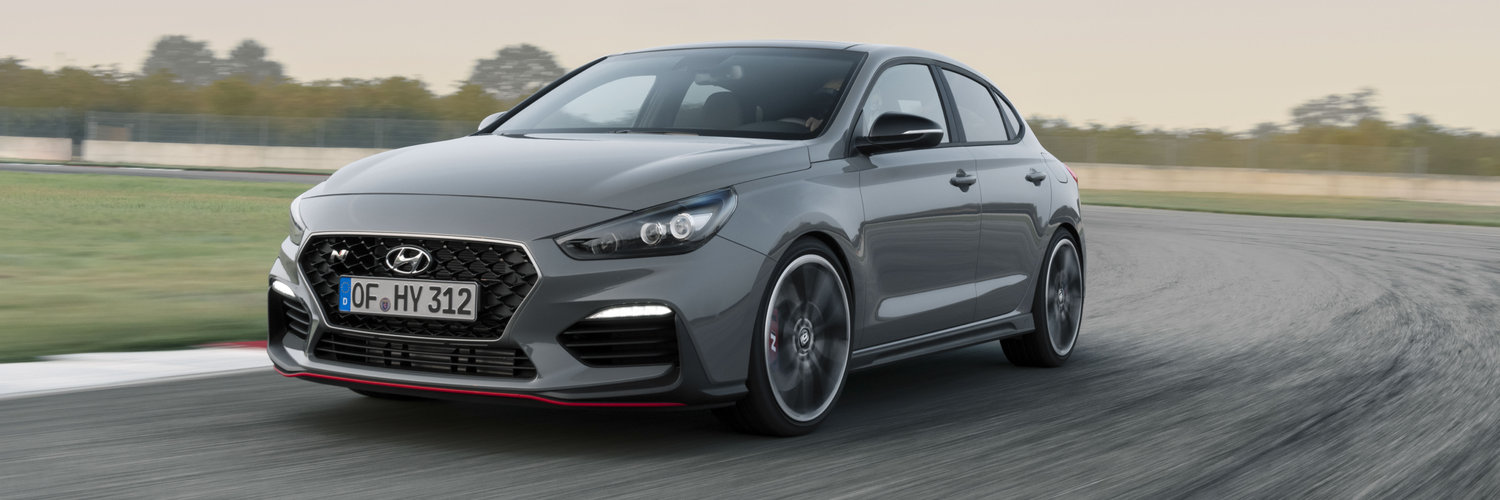

Hyundai Motor Co
F:HYU



Hyundai Motor Co
Hyundai Motor Co., a driving force in the global automotive industry, has its origins in South Korea, where it was founded in 1967. From the outset, Hyundai embarked on a journey to not just make cars but to craft an experience behind the wheel. Its meteoric rise began with the Pony, Korea's first mass-produced car, which laid the groundwork for Hyundai's reputation in quality manufacturing and innovation. The company has since evolved into a global colossus, operating in over 190 countries and producing millions of vehicles each year. Central to Hyundai's operations is a commitment to vertical integration; the company controls significant parts of its supply chain, from manufacturing steel to assembling vehicles, ensuring cost efficiencies and quality control that contribute to their competitive pricing strategy.
In terms of revenue generation, Hyundai leans heavily on its diverse portfolio of vehicles, ranging from economy models to luxury offerings under its Genesis brand. The company's profitability is driven by its ability to capture diverse market segments, leveraging innovations in technology and design to stay relevant amid dynamic consumer preferences. Beyond mere car sales, Hyundai invests in alternative energy, spearheading advancements in electric and hydrogen fuel vehicles to secure a foothold in the green energy transition. This focus not only aligns with global trends but also taps into government incentives and consumer demand for sustainable solutions. Hyundai's strategic expansion into mobility services and autonomous driving technology underscores its vision for the future, positioning the company not just as a carmaker but as a pioneer in comprehensive transportation solutions.

Hyundai Motor Co., a driving force in the global automotive industry, has its origins in South Korea, where it was founded in 1967. From the outset, Hyundai embarked on a journey to not just make cars but to craft an experience behind the wheel. Its meteoric rise began with the Pony, Korea's first mass-produced car, which laid the groundwork for Hyundai's reputation in quality manufacturing and innovation. The company has since evolved into a global colossus, operating in over 190 countries and producing millions of vehicles each year. Central to Hyundai's operations is a commitment to vertical integration; the company controls significant parts of its supply chain, from manufacturing steel to assembling vehicles, ensuring cost efficiencies and quality control that contribute to their competitive pricing strategy.
In terms of revenue generation, Hyundai leans heavily on its diverse portfolio of vehicles, ranging from economy models to luxury offerings under its Genesis brand. The company's profitability is driven by its ability to capture diverse market segments, leveraging innovations in technology and design to stay relevant amid dynamic consumer preferences. Beyond mere car sales, Hyundai invests in alternative energy, spearheading advancements in electric and hydrogen fuel vehicles to secure a foothold in the green energy transition. This focus not only aligns with global trends but also taps into government incentives and consumer demand for sustainable solutions. Hyundai's strategic expansion into mobility services and autonomous driving technology underscores its vision for the future, positioning the company not just as a carmaker but as a pioneer in comprehensive transportation solutions.
Record Q4 Revenue: Hyundai Motor achieved its highest ever fourth-quarter revenue, driven by strong hybrid sales and a diversified SUV lineup, especially in the U.S.
Profitability Pressures: Despite record revenue, operating profit and net income dropped sharply year-on-year due to U.S. tariffs, increased incentives, and higher fixed and temporary costs.
Tariff Impact Ongoing: U.S. tariffs had a KRW 4.1 trillion annual impact, partly mitigated by contingency measures; the effect is expected to remain similar in 2026 with mitigation efforts continuing.
Raised Revenue Guidance: 2025 revenue growth guidance was increased to 5%–6%, with actual annual revenue up 6.3% year-on-year, exceeding the target.
Shareholder Returns: Hyundai confirmed a minimum annual dividend of KRW 10,000 per share, a year-end DPS of KRW 2,500, and a new buyback program, with a dividend payout ratio of 27.7%.
2026 Outlook: For 2026, Hyundai targets 4.158 million wholesale units, 1%–2% revenue growth, and an operating margin of 6.3%–7.3%, with investment peaking at KRW 17.8 trillion.
Strategic Investments: Planned investment focuses on R&D for eco-friendly vehicles, U.S. localization, and electrification, with no reduction in future-oriented spending.
