

Hyundai Heavy Industries Co Ltd
KRX:329180



Hyundai Heavy Industries Co Ltd
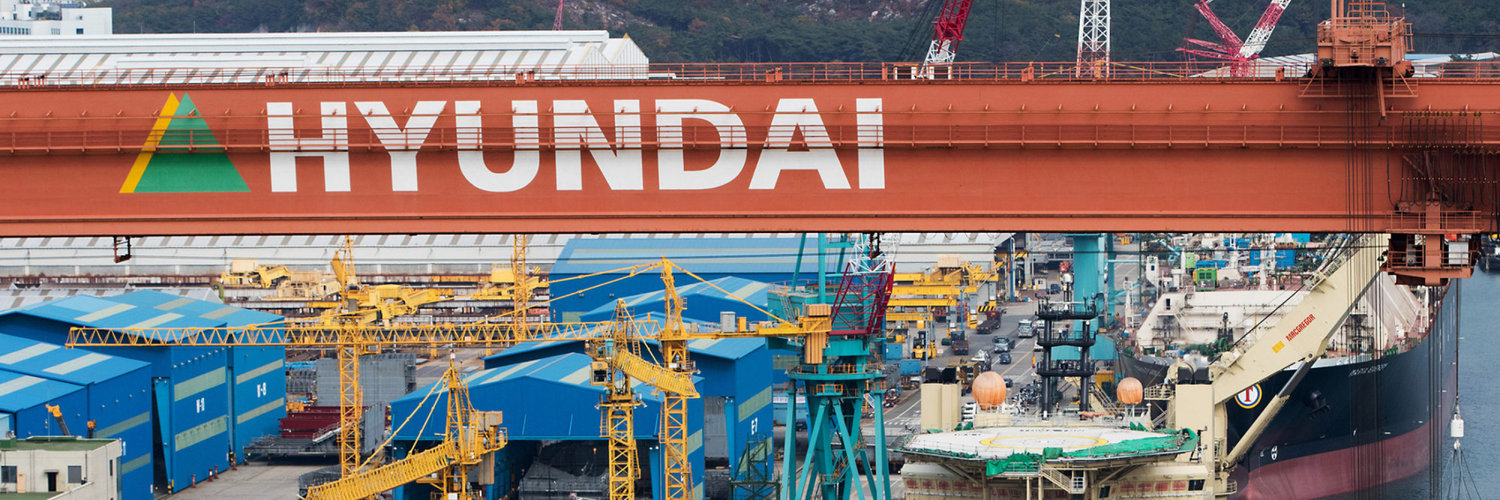
Hyundai Heavy Industries Co Ltd, often hailed as a titan in the world of shipbuilding, has navigated waves of authority and innovation since its establishment in 1972. The company, headquartered in Ulsan, South Korea, carved its niche by constructing mammoth tankers and vessels that traverse global waters, forming the backbone of international trade. Recognized globally for its engineering prowess, Hyundai Heavy Industries has diversified with military vessels, offshore oil rigs, and submarines, intertwining its fate with global energy needs and defense sectors. Beyond just constructing vessels, the company provides an extensive range of marine engines and machinery, further asserting its influence across maritime industries.
While shipbuilding remains the bedrock of its operations, Hyundai Heavy Industries has adeptly expanded its horizons, diving into the vast expanses of industrial sectors such as power plants, sea water desalination, construction equipment, and industrial robots. This diversification strategy not only broadens its revenue streams but also strategically positions the company to weather cyclical downturns in shipbuilding. By leveraging its technological expertise and infrastructure, Hyundai aims to predicate its growth on sustainable practices, optimizing its manufacturing processes and focusing on renewable energy sources. Thus, its financial success hinges on its ability to blend tradition with innovation, continuously anchoring itself as a robust player in the industrial world.

Hyundai Heavy Industries Co Ltd, often hailed as a titan in the world of shipbuilding, has navigated waves of authority and innovation since its establishment in 1972. The company, headquartered in Ulsan, South Korea, carved its niche by constructing mammoth tankers and vessels that traverse global waters, forming the backbone of international trade. Recognized globally for its engineering prowess, Hyundai Heavy Industries has diversified with military vessels, offshore oil rigs, and submarines, intertwining its fate with global energy needs and defense sectors. Beyond just constructing vessels, the company provides an extensive range of marine engines and machinery, further asserting its influence across maritime industries.
While shipbuilding remains the bedrock of its operations, Hyundai Heavy Industries has adeptly expanded its horizons, diving into the vast expanses of industrial sectors such as power plants, sea water desalination, construction equipment, and industrial robots. This diversification strategy not only broadens its revenue streams but also strategically positions the company to weather cyclical downturns in shipbuilding. By leveraging its technological expertise and infrastructure, Hyundai aims to predicate its growth on sustainable practices, optimizing its manufacturing processes and focusing on renewable energy sources. Thus, its financial success hinges on its ability to blend tradition with innovation, continuously anchoring itself as a robust player in the industrial world.
Sales Growth: KSOE reported Q4 sales up 7.5% quarter-over-quarter and 13.8% year-over-year, driven by improved productivity and positive currency effects.
Profitability: Operating profit fell 1.5% QoQ due to one-off bonuses but rose 108% YoY; underlying profitability continues to improve.
Order Intake: Group shipbuilding orders reached $17.42 billion in 2025, exceeding guidance and representing 116% of the annual target, despite a softer global market.
Strong Backlog: All shipbuilding subsidiaries remain in a net cash position, with about KRW 6.2 trillion in cash, reflecting strong financial health.
Bonus Impact: Large incentive bonuses impacted Q4 operating margins by over 1%, with the effect expected to be one-off rather than structural.
Offshore Performance: Offshore division saw sharp revenue growth, driven by key projects and a favorable market environment; performance expected to remain solid.
Market Outlook: Management remains positive on newbuild pricing and expects stable to increasing demand in key vessel and offshore segments despite global uncertainties.
