Las Vegas Sands Corp
NYSE:LVS

Watchlist Manager
Las Vegas Sands Corp Logo
Las Vegas Sands Corp
NYSE:LVS

Watchlist
Price: 66.2 USD -0.17% Market Closed
Market Cap: 44.8B USD

Intrinsic Value

The intrinsic value of one LVS stock under the Base Case scenario is 74.21 USD. Compared to the current market price of 66.2 USD, Las Vegas Sands Corp is Undervalued by 11%.

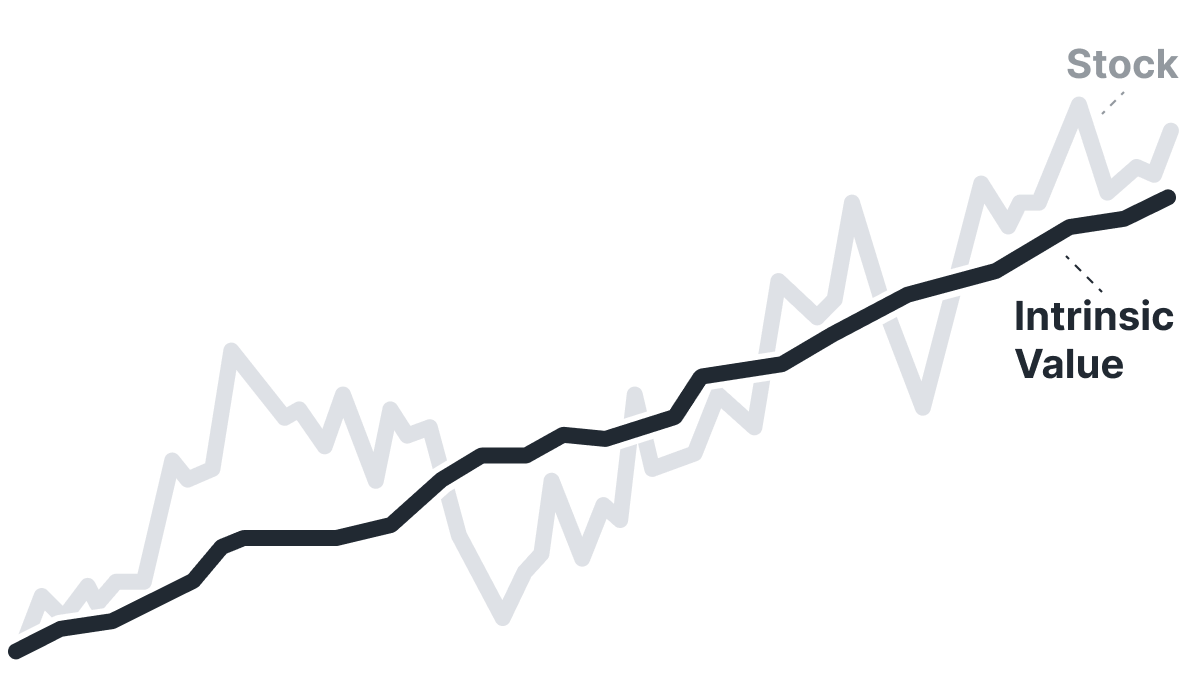
The Intrinsic Value is calculated as the average of DCF and Relative values:

LVS Intrinsic Value
74.21 USD
Undervaluation 11%
Intrinsic Value
Price
Worst Case
Base Case
Best Case

Valuation History
Las Vegas Sands Corp

What is Valuation History?
Ask AI Assistant
What other research platforms think about LVS?

Let our AI compare Alpha Spread’s intrinsic value with external valuations from Simply Wall St, GuruFocus, ValueInvesting.io, Seeking Alpha, and others.

Discover External Valuations
Why is LVS valued this way?

Let our AI break down the key assumptions behind the intrinsic value calculation for Las Vegas Sands Corp.

Explain Valuation
Compare LVS to

Fundamental Analysis

Company Overview
Loading...
Business Segments
Loading...
Economic Moat
Loading...
Earnings Call
Loading...
Management
Loading...
Contacts
Loading...
Bear Theses

Las Vegas Sands’ heavy reliance on Macau, especially amid ongoing regulatory uncertainties and strict licensing requirements, could limit its revenue growth and profitability if future concessions are curtailed or more closely regulated.

A weakening Chinese economy or renewed travel restrictions could reduce visitation to Macau, potentially hurting mass-market and VIP segments that drive the majority of the company’s top line.

Significant capital expenditure demands in both Macau and Singapore put sustained pressure on free cash flow, and any delays or budget overruns in ongoing development projects could strain the balance sheet.

Bull Theses

Las Vegas Sands maintains a dominant presence in Macau’s premium mass market, benefiting from strong brand recognition and integrated resort appeal that should drive above-average visitation as travel normalizes.

The Marina Bay Sands property in Singapore consistently delivers robust cash flow and provides geographic diversification, offering the company a more stable revenue mix compared to Macau-only operators.

With reduced exposure to the intensively competitive Las Vegas market following asset sales, management can channel more resources toward Asia-Pacific growth initiatives, positioning Sands to capture long-term gains from rising demand for luxury gaming and hospitality in the region.

Show More Less
How do you feel about LVS?
Bearish
Neutral
Bullish
Financials
Annual
Quarterly
TTM
Annual
Quarterly
TTM

Balance Sheet Decomposition
Las Vegas Sands Corp

Current Assets 4.2B
Cash & Short-Term Investments 3.4B
Receivables 548m
Other Current Assets 251m
Non-Current Assets 17.4B
PP&E 14.8B
Intangibles 592m
Other Non-Current Assets 1.9B
Current Liabilities 4.7B
Accounts Payable 168m
Accrued Liabilities 2.1B
Other Current Liabilities 2.4B
Non-Current Liabilities 15.3B
Long-Term Debt 13.9B
Other Non-Current Liabilities 1.4B
Efficiency

Free Cash Flow Analysis
Las Vegas Sands Corp

Last Value
3-Years Average
FCF Margin
Conversion Rate

Earnings Waterfall
Las Vegas Sands Corp

Revenue
12.3B USD
Cost of Revenue
-6.4B USD
Gross Profit
5.8B USD
Operating Expenses
-3.1B USD
Operating Income
2.8B USD
Other Expenses
-1.2B USD
Net Income
1.6B USD
Fundamental Scores

LVS Profitability Score
Profitability Due Diligence

Las Vegas Sands Corp's profitability score is 62/100. The higher the profitability score, the more profitable the company is.

Exceptional ROE
Exceptional 3Y Average ROE
ROIC is Increasing
Operating Margin is Increasing
62/100
Profitability
Score

Las Vegas Sands Corp's profitability score is 62/100. The higher the profitability score, the more profitable the company is.

LVS Solvency Score
Solvency Due Diligence

Las Vegas Sands Corp's solvency score is 30/100. The higher the solvency score, the more solvent the company is.

Long-Term Solvency
Short-Term Solvency
Average Altman Z-Score
Positive Net Debt
30/100
Solvency
Score

Las Vegas Sands Corp's solvency score is 30/100. The higher the solvency score, the more solvent the company is.

Wall St
Price Targets

LVS Price Targets Summary
Las Vegas Sands Corp

Wall Street analysts forecast LVS stock price to rise over the next 12 months.

According to Wall Street analysts, the average 1-year price target for LVS is 68.83 USD with a low forecast of 60.6 USD and a high forecast of 84 USD.

Lowest
Price Target
60.6 USD
8% Downside
Average
Price Target
68.83 USD
4% Upside
Highest
Price Target
84 USD
27% Upside
View Analyst Estimates

Dividends

Dividend Yield
Lowest
Average
Highest
Dividend Per Share
N/A
Growth 3Y
Growth 5Y
Growth 10Y
Dividend Safety Score
Very
Unsafe
Unsafe
Safe
Very
Safe
0
25
50
75
100
Shareholder Yield

Current shareholder yield for LVS is .

Shareholder yield represents the total return a company provides to its shareholders, calculated as the sum of dividend yield, buyback yield, and debt paydown yield. What is shareholder yield?

Shareholder Yield
Dividend Yield
Lowest
Average
Highest
Buyback Yield
Lowest
Average
Highest
Debt Paydown Yield
Lowest
Average
Highest

Competitive Landscape

Company Market Cap Intrinsic Valuation Profitability Solvency Price Change
1Y 3Y 5Y

Ownership

LVS Insider Trading
Buy and sell transactions by insiders

LVS News

Other Videos
What is the Intrinsic Value of one LVS stock?

The intrinsic value of one LVS stock under the Base Case scenario is 74.21 USD.

Is LVS stock undervalued or overvalued?

Compared to the current market price of 66.2 USD, Las Vegas Sands Corp is Undervalued by 11%.

Back to Top