
Repsol SA
F:REPA



Decide at what price you'd be comfortable buying and we'll help you stay ready.

|
Sony Group Corp
NYSE:SONY
|
JP |
|
B
|
Banco Pan SA
BOVESPA:BPAN4
|
BR |

|
Aluula Composites Inc
XTSX:AUUA
|
CA |

|
Murata Manufacturing Co Ltd
TSE:6981
|
JP |
|
A
|
Aadhar Housing Finance Ltd
NSE:AADHARHFC
|
IN |
|
J
|
Jiangsu Lanfeng Bio-chemical Co Ltd
SZSE:002513
|
CN |

|
Bayerische Motoren Werke AG
XETRA:BMW
|
DE |
|
Booz Allen Hamilton Holding Corp
NYSE:BAH
|
US |

|
Longitech Smart Energy Holding Ltd
HKEX:1281
|
CN |

|
K Wah International Holdings Ltd
HKEX:173
|
HK |
EV/EBITDA
Enterprise Value to EBITDA (EV/EBITDA) ratio compares a company`s total enterprise value to its earnings before interest, taxes, depreciation, and amortization. It shows how much investors are paying for each dollar of the company`s earnings, including both equity and debt.
Enterprise Value to EBITDA (EV/EBITDA) ratio compares a company`s total enterprise value to its earnings before interest, taxes, depreciation, and amortization. It shows how much investors are paying for each dollar of the company`s earnings, including both equity and debt.
Valuation Scenarios
If EV/EBITDA returns to its 3-Year Average (2.7), the stock would be worth €10.62 (50% downside from current price).
| Scenario | EV/EBITDA Value | Implied Price | Upside/Downside |
|---|---|---|---|
| Current Multiple | 5.4 | €21.2 |
0%
|
| 3-Year Average | 2.7 | €10.62 |
-50%
|
| 5-Year Average | 2.7 | €10.62 |
-50%
|
| Industry Average | 4.1 | €16.04 |
-24%
|
| Country Average | 9.7 | €37.82 |
+78%
|
Forward EV/EBITDA
Today’s price vs future ebitda
| Today's Enterprise Value | EBITDA | Forward EV/EBITDA | ||
|---|---|---|---|---|
|
€24B
|
/ |
Jan 2026
€5B
|
= |
|
|
€24B
|
/ |
Dec 2026
€8.1B
|
= |
|
|
€24B
|
/ |
Dec 2027
€7.4B
|
= |
|
|
€24B
|
/ |
Dec 2028
€7.3B
|
= |
|
Forward EV/EBITDA shows whether today’s EV/EBITDA still looks high or low once future ebitda are taken into account.
Peer Comparison
| Market Cap | EV/EBITDA | P/E | ||||
|---|---|---|---|---|---|---|
| ES |

|
Repsol SA
F:REPA
|
23.9B EUR | 5.4 | 13.1 | |
| SA |

|
Saudi Arabian Oil Co
SAU:2222
|
6.7T SAR | 8.1 | 19.3 | |
| US |

|
Exxon Mobil Corp
NYSE:XOM
|
637.9B USD | 10.2 | 22.1 | |
| US |

|
Chevron Corp
NYSE:CVX
|
382.5B USD | 10.8 | 31.1 | |
| CN |

|
PetroChina Co Ltd
SSE:601857
|
2.2T CNY | 9.4 | 13.9 | |
| NL |
R
|
Royal Dutch Shell PLC
OTC:RYDAF
|
295.1B USD | 5.9 | 16.4 | |
| UK |

|
Shell PLC
LSE:SHEL
|
198.5B GBP | 5.3 | 14.5 | |
| FR |
|
TotalEnergies SE
PAR:TTE
|
170.7B EUR | 6.3 | 15.4 | |
| BR |

|
Petroleo Brasileiro SA Petrobras
BOVESPA:PETR4
|
641.6B BRL | 4 | 5.8 | |
| UK |

|
BP PLC
LSE:BP
|
90.5B GBP | 4.4 | 2 204.8 | |
| CN |

|
China Petroleum & Chemical Corp
SSE:600028
|
705B CNY | 18.9 | 22 |
Market Distribution
| Min | 0 |
| 30th Percentile | 6.5 |
| Median | 9.7 |
| 70th Percentile | 15.3 |
| Max | 700.4 |
Other Multiples
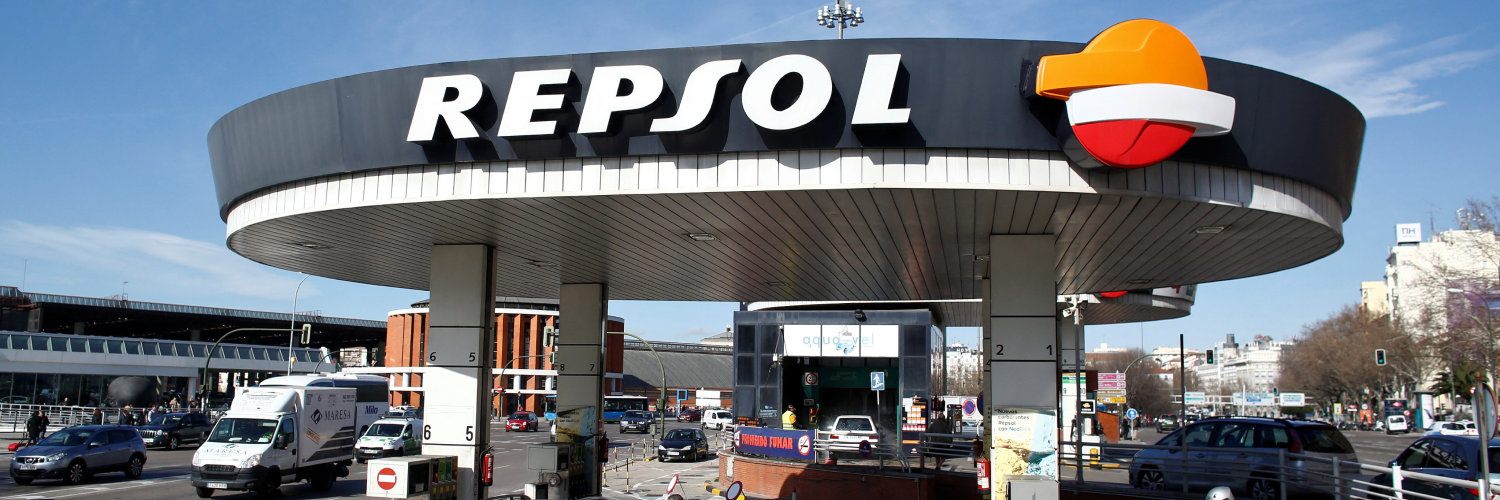
Repsol SA
Glance View
Once upon a time in the bustling corridors of the energy sector, Repsol SA was born—a Spanish multinational that navigated the waters of oil and gas with the finesse of an experienced mariner. Emerging from a country not traditionally known for its energy prowess, Repsol embarked on a journey to carve out its niche on the global stage. Incorporated in 1987, the company swiftly expanded its reach, both in exploratory and production activities. At its core, Repsol was a vertically integrated company, which meant it had its hands in every aspect of the oil and gas value chain, from exploration and production of crude oil and natural gas to refining them into the fuels and chemicals that power economies worldwide. This vertical integration allowed it to capture value at different stages of the energy supply chain and safeguard against market volatility. Thus, Repsol thrived not only on the raw value of hydrocarbons but also on its ability to refine, distribute, and commercialize these products. Beyond the basic mechanics of its business, Repsol has passionately pursued innovation and sustainability, navigating the delicate balance between growth and environmental stewardship. With operations spanning continents, Repsol invested in renewable energy sources, moving towards creating a diverse energy portfolio that includes solar, wind, and biofuels. The company's focus on technological advancement—such as developing carbon capture and storage techniques—sought not just profitability, but leadership in the transition to a lower-carbon economy. Its downstream segment, which involves refining and marketing, consistently contributed a significant share of its earnings, fueled by a diverse range of products ranging from fuels to petrochemicals. By innovatively straddling the line between traditional energy production and future-forward sustainability, Repsol carved a path forward in an industry at the crossroads of past convention and future imperatives.
