
Campbell Soup Co
SWB:CSC



Decide at what price you'd be comfortable buying and we'll help you stay ready.

|
Central Depository Services (India) Ltd
NSE:CDSL
|
IN |

|
Energisa Mato Grosso Distribuidora de Energia SA
BOVESPA:ENMT4
|
BR |

|
Shenzhen New Industries Biomedical Engineering Co Ltd
SZSE:300832
|
CN |
|
S
|
Shanghai Voicecomm Information Technology Co Ltd
HKEX:2495
|
CN |

|
Suga International Holdings Ltd
HKEX:912
|
HK |
Net Margin
Net Margin shows how much profit a company keeps from each dollar of sales after all expenses, including taxes and interest. It reflects the company`s overall profitability.
Net Margin shows how much profit a company keeps from each dollar of sales after all expenses, including taxes and interest. It reflects the company`s overall profitability.
Peer Comparison
| Country | Company | Market Cap |
Net Margin |
||
|---|---|---|---|---|---|
| US |

|
Campbell Soup Co
NYSE:CPB
|
6.2B USD |
Loading...
|
|
| US |
|
Mondelez International Inc
NASDAQ:MDLZ
|
75.4B USD |
Loading...
|
|
| JP |
G
|
Goyo Foods Industry Co Ltd
TSE:2230
|
53.2T JPY |
Loading...
|
|
| CH |

|
Nestle SA
SIX:NESN
|
201.3B CHF |
Loading...
|
|
| FR |

|
Danone SA
PAR:BN
|
44.1B EUR |
Loading...
|
|
| ZA |
T
|
Tiger Brands Ltd
JSE:TBS
|
49B ZAR |
Loading...
|
|
| US |

|
Hershey Co
NYSE:HSY
|
42.4B USD |
Loading...
|
|
| CN |

|
Foshan Haitian Flavouring and Food Co Ltd
SSE:603288
|
240.3B CNY |
Loading...
|
|
| CN |

|
Muyuan Foods Co Ltd
SZSE:002714
|
242.2B CNY |
Loading...
|
|
| ZA |
A
|
Avi Ltd
JSE:AVI
|
34B ZAR |
Loading...
|
|
| CH |

|
Chocoladefabriken Lindt & Spruengli AG
SIX:LISN
|
25.4B CHF |
Loading...
|
Market Distribution
| Min | -4 418 600% |
| 30th Percentile | -9.6% |
| Median | 3.1% |
| 70th Percentile | 11.3% |
| Max | 1 135 400% |
Other Profitability Ratios
Campbell Soup Co
Glance View
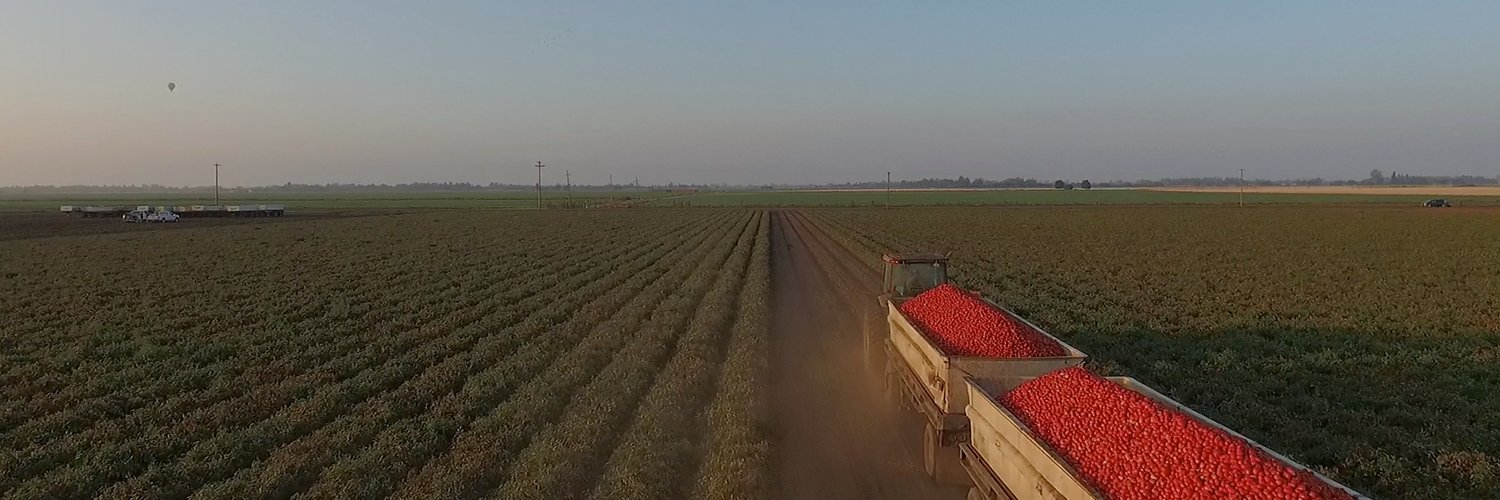
Campbell Soup Co. has long been a staple in the global food industry, captivating generations with its iconic red-and-white cans. The company’s journey began in 1869 and has since evolved into a diverse portfolio that extends beyond its classic soups. Today, Campbell's business is a tapestry of brands and products that cater to a wide array of consumer tastes and preferences. From Pepperidge Farm’s baked goods to V8 beverages, Campbell incorporates a strategy of building strong brands and focusing on product innovation. This holistic approach has enabled it to capture the shifting dining habits of consumers who are increasingly seeking convenience, flavor diversity, and nutritional balance in their meals. Core to Campbell's operations is its robust supply chain, which is bolstered by strategic acquisitions and partnerships that ensure it remains both competitive and resilient. The company primarily generates revenue through the sale of its consumer packaged foods across the retail grocery, food service, and e-commerce sectors. With a commitment to maintaining affordability while delivering quality, Campbell navigates challenges such as fluctuating agricultural prices and changing consumer demands by continuously optimizing its production processes and distribution networks. By leveraging its rich history and brand trust, Campbell continues to adapt in a market that values both classic favorites and modern culinary innovations.
See Also
Net Margin is calculated by dividing the Net Income by the Revenue.
The current Net Margin for Campbell Soup Co is 5.5%, which is below its 3-year median of 6.7%.
Over the last 3 years, Campbell Soup Co’s Net Margin has decreased from 8.9% to 5.5%. During this period, it reached a low of 4.4% on Apr 27, 2025 and a high of 9.2% on Jul 30, 2023.
