
 VSCO
vs
VSCO
vs
 S&P 500
VSCO
S&P 500
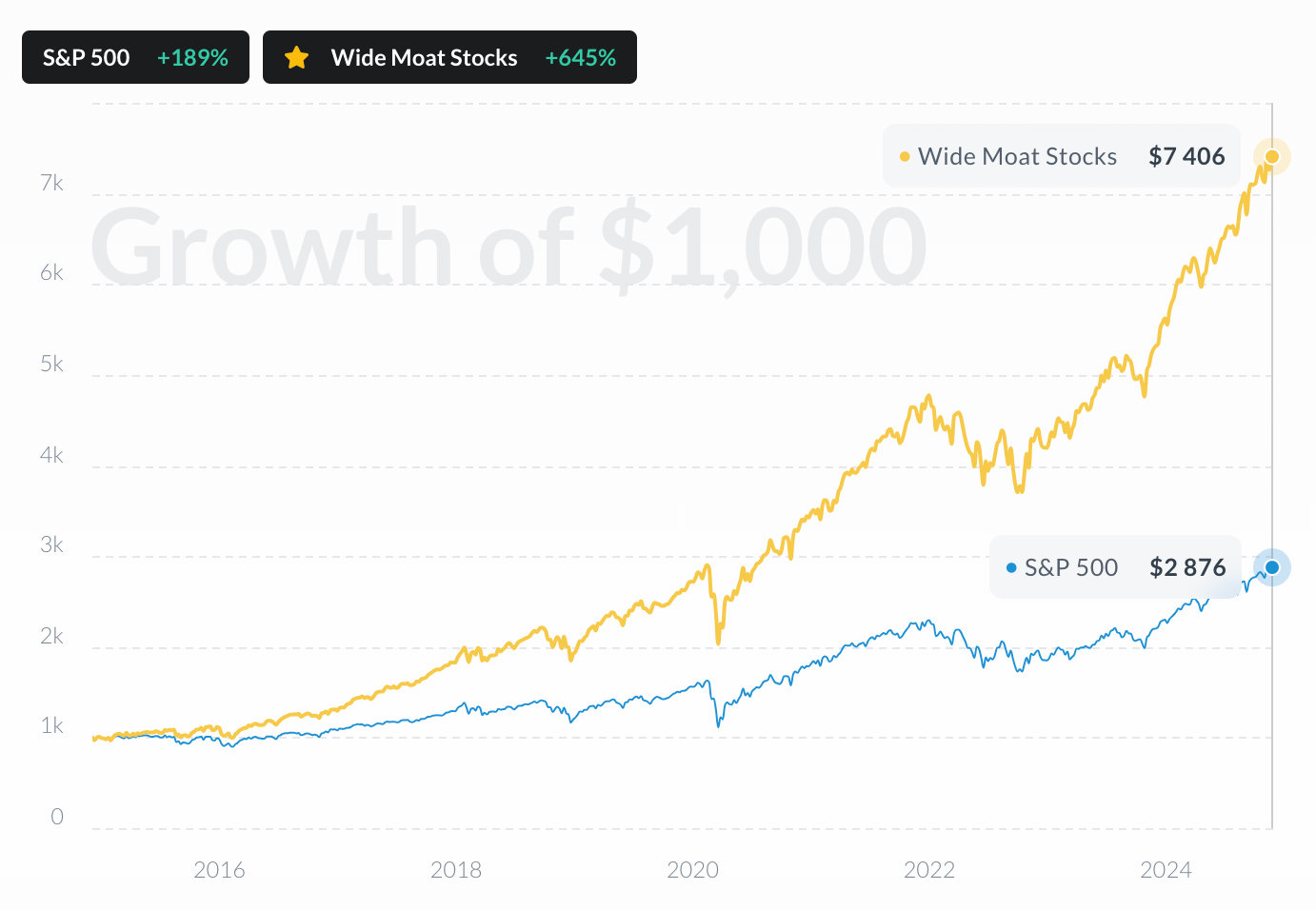
Over the past 12 months, VSCO has significantly outperformed S&P 500, delivering a return of +34% compared to the S&P 500's +14% growth.
Stocks Performance
VSCO vs S&P 500
Performance Gap
VSCO vs S&P 500
Performance By Year
VSCO vs S&P 500
Compare the stock's returns with its benchmark index and competitors. Gain insights into its relative performance over time.



Victoria's Secret & Co
Glance View
Victoria's Secret & Co., once a glittering jewel in the global lingerie market, traces its origins back to 1977 when it was founded by Roy Raymond. It initially emerged as a disruptor by providing an upscale and inviting environment for men to comfortably purchase intimate apparel for women—an untapped niche at the time. The brand effectively leveraged powerful imagery and direct marketing to carve out a dominant position, reaching its zenith under the ownership of L Brands. With a keen understanding of aspirational marketing, Victoria's Secret cleverly employed its famed models, known as "Angels," alongside high-profile fashion shows, to keep itself entrenched in popular culture, appealing to consumers' desires for glamour and luxury. However, the retail landscape and consumer preferences have evolved sharply in recent years. Victoria's Secret generates revenue primarily through the sale of its intimate apparel, loungewear, and beauty products across its expansive network of physical stores and a robust online presence. While it faced challenges related to perceptions of inclusivity and changing tastes, the company has been actively reinventing itself to better resonate with modern values. Today, efforts are focused on expanding product lines, embracing body positivity, and enhancing customer engagement through digital strategies. By repositioning to align with broader societal shifts, Victoria's Secret aims to reinvigorate its legacy, tapping into the lucrative market for women's empowerment and self-expression.