C
CTOR
vs
 S&P 500
S&P 500
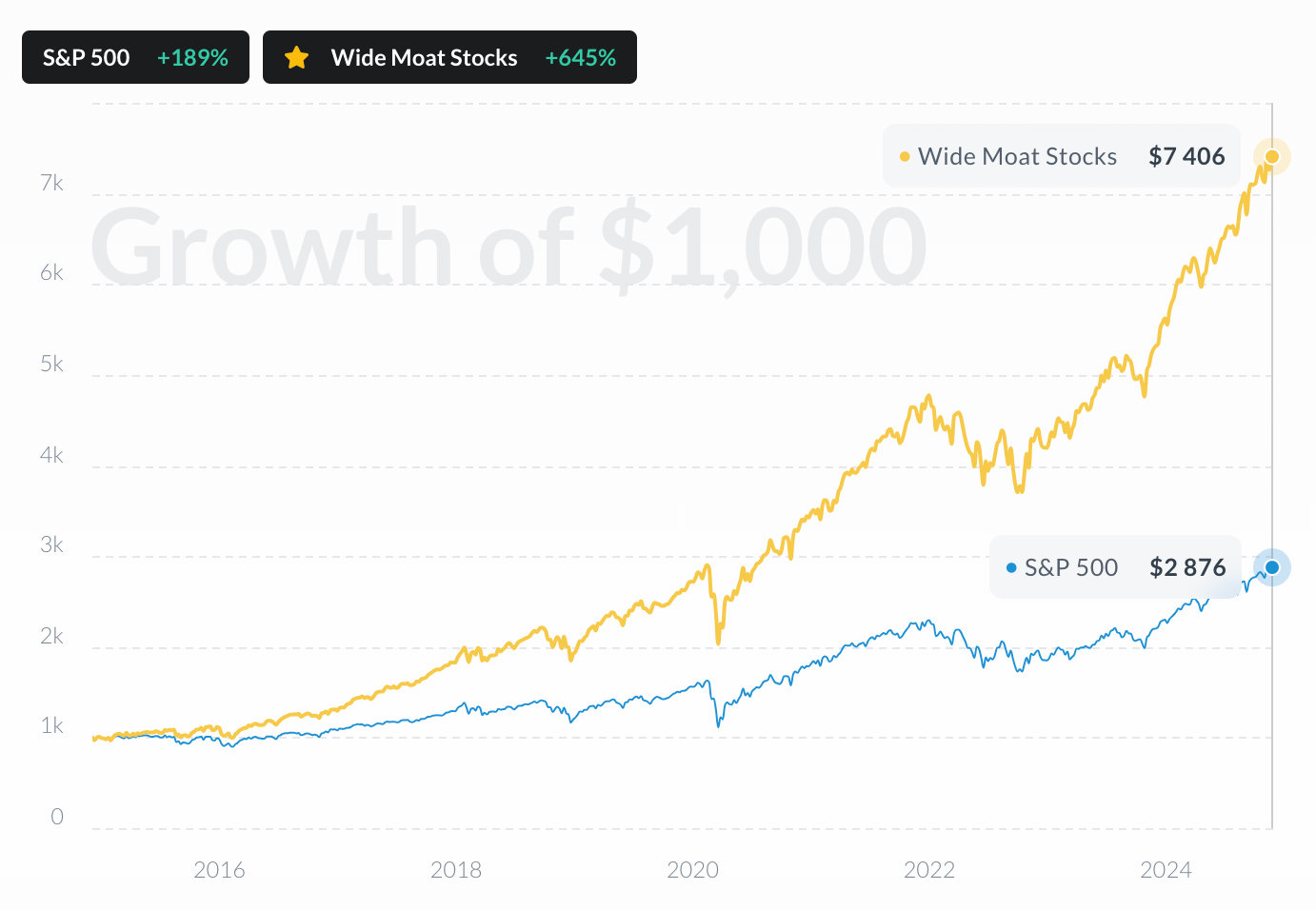
Over the past 12 months, CTOR has significantly outperformed S&P 500, delivering a return of +42% compared to the S&P 500's +14% growth.
Stocks Performance
CTOR vs S&P 500
Performance Gap
CTOR vs S&P 500
Performance By Year
CTOR vs S&P 500
Compare the stock's returns with its benchmark index and competitors. Gain insights into its relative performance over time.

Citius Oncology Inc
Glance View
Citius Oncology, Inc. is a pharmaceutical company, which engages in developing and commercializing targeted oncology therapies. The company is headquartered in New York City, New York. The company went IPO on 2022-10-14. The firm is focused on developing and commercializing targeted oncology therapies. The Company’s lead product candidate is LYMPHIR, an engineered IL-2 diphtheria toxin fusion protein, for the treatment of patients with persistent or recurrent CTCL, a rare form of non-Hodgkin lymphoma. LYMPHIR is a targeted immune therapy for relapsed or refractory cutaneous T-cell lymphoma (CTCL) indicated for use in Stage I-III disease after at least one prior systemic therapy. The company is a recombinant fusion protein that combines the IL-2 receptor binding domain with diphtheria toxin fragments. The agent specifically binds to IL-2 receptors on the cell surface, causing diphtheria toxin fragments that have entered cells to inhibit protein synthesis. After uptake into the cell, the diphtheria toxin (DT) fragment is cleaved and the free DT fragments inhibit protein synthesis, resulting in cell death.