


 PINC
vs
PINC
vs
 S&P 500
PINC
S&P 500
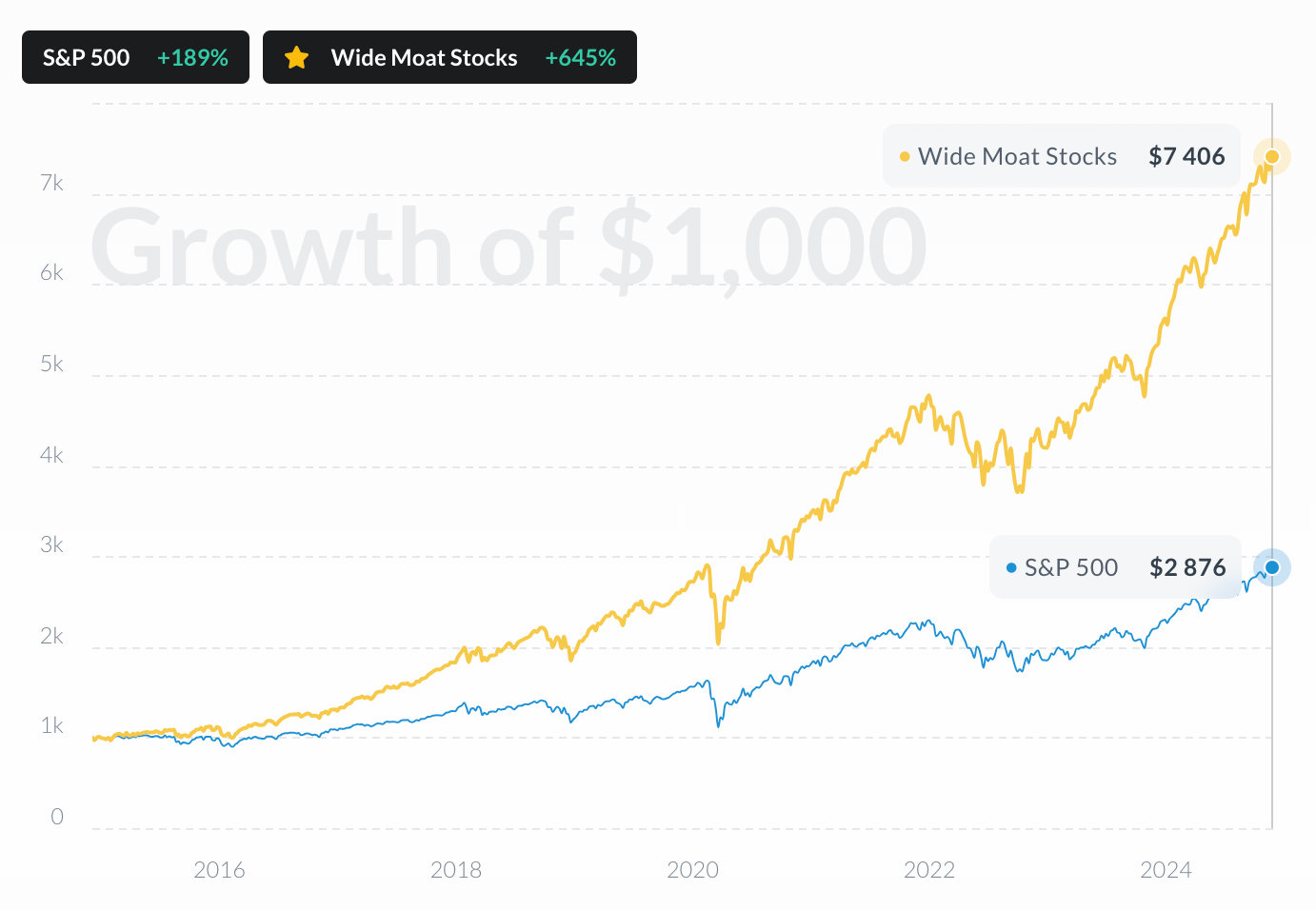
Over the past 12 months, PINC has underperformed S&P 500, delivering a return of -9% compared to the S&P 500's +14% growth.
Stocks Performance
PINC vs S&P 500
Performance Gap
PINC vs S&P 500
Performance By Year
PINC vs S&P 500
Compare the stock's returns with its benchmark index and competitors. Gain insights into its relative performance over time.

Premier Inc
Glance View
Premier Inc. is a healthcare improvement company that has strategically positioned itself at the intersection of healthcare providers and suppliers, harnessing both data and scale to enhance its value proposition. Born from a collaboration among hospitals to aggregate purchasing power, Premier has evolved into a significant player in transforming healthcare efficiency and efficacy. At its core, the company functions through two primary segments: Supply Chain Services and Performance Services. Within Supply Chain Services, Premier leverages its vast network, which constitutes approximately 4,000 hospitals and health systems, to negotiate group purchasing contracts. This aggregation of demand affords members considerable cost savings, while the company earns a portion of these savings as revenue, combined with fees charged for membership and other related services. Beyond its pioneering roots in group purchasing, Premier also excels in Performance Services, where it delves deeply into analytics, technology, and consulting seamlessly integrated into healthcare operations. By capitalizing on its extensive data repositories, Premier delivers actionable insights that facilitate better decision-making and outcomes for healthcare providers. Through its offerings, such as performance improvement initiatives, technology solutions, and advisory services, Premier helps its members thrive in an increasingly complex healthcare landscape. Ultimately, Premier Inc. sustains its business by creating and capturing value at multiple touchpoints across the healthcare continuum, emphasizing a model that benefits stakeholders by promoting cost reduction, efficiency, and quality improvements.